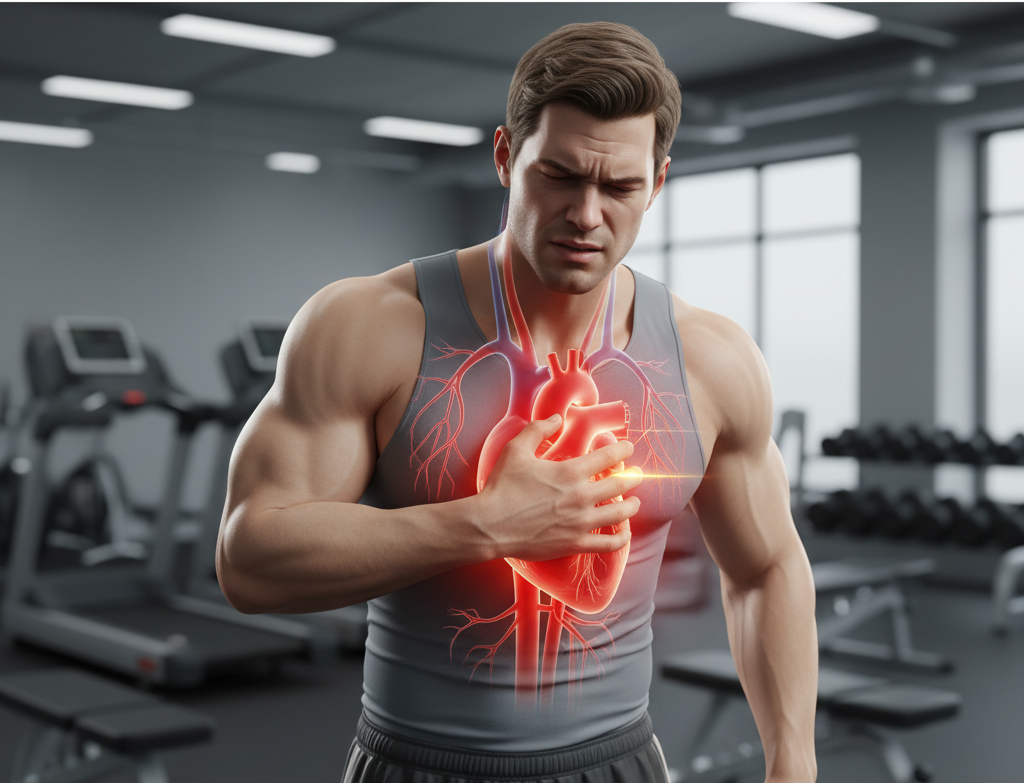
Heart Attack Can Happen During the Exercise Causes & Risks
While the exercise is essential for maintaining heart health, some of the factors may trigger an acute myocardial infarction during such activities. These are the reasons why such incidents occur, how overexertions and hidden cardiovascular problems contribute, and what signs to look out for:
This article deconstructs the balance between healthy activity and possible danger to give readers an understanding of the physiological stress exercise places on the heart. Learn how to stay fit safely, recognize early symptoms, and take precautionary measures to protect your heart during workouts.
Table of Contents
- Introduction
- Understanding Heart Attacks
- Can Exercise Cause a Heart Attack?
- Major Causes of Exercise-Induced Heart Attacks
- Early Warning Signs During Exercise
- Prevention and Safety Tips
- What to Do If A Heart Attack Happens During Exercise
- Recovery and Return to Exercise Safely
- Conclusion
1. Introduction
Exercise is usually considered as the key to good health, cardiac strength, and longevity. However, in people with sublying heart conditions or poor cardiovascular health, hard physical exertion can ironically induce a myocardial infarction. The concept that a healthy behavior such as exercise can result in a cardiac emergency may seem unsettling; it is important to understand why this occurs.
Heart attacks during workout sessions do happen, though rarely. When this happens, it’s usually because some cardiovascular problems have been quietly building up for years without being detected. It is crucial that athletes, gym enthusiasts, and even casual fitness individuals realize that physical activity generally is safe; however, physical activities can also be dangerous when mixed with poor preparation, overexertion, and undiagnosed heart disease.
2. Understanding Heart Attacks
The heart attack that can scientifically known as the myocardial infarction, is when blood supply to a part of the heart muscle stops. This blockage cuts off oxygen-rich blood flow to that particular part of the heart because of a buildup of fatty deposits, usually in the coronary arteries. Without the oxygen they can need of the parts of the heart begin to die in a matter of minutes.
Heart attacks are commonly caused by coronary artery disease, a condition wherein a person’s arteries narrow over a period of time due to the accumulation of cholesterol and plaque.
Other factors can cause this: blood clots, spasms in the coronary arteries, or extreme stress.
This happens when the heart is under increased stress, such as during strenuous exercise, where its oxygen demand goes up sharply. If the blood flow is not able to supply it, due to blockages or poor circulation, a heart attack may occur.
Common symptoms include:
- Chest pain or pressure, often described as squeezing or heaviness
- Shortness of breath
- Dizziness or fainting
- Pain radiating to the jaw, neck, or arms
- Sweating and nausea
Understanding how a heart attack typically happens physiologically will help explain why exercise, though beneficial, can sometimes act as the “trigger” that exposes underlying cardiovascular problems.
3. Can Exercise Cause a Heart Attack?
Exercise, in and of itself, is not the cause of heart attacks. In the regular physical activity is among the best things for the people can do to lower the risk of heart disease.
Studies indicate that heart attack risk temporarily surges during periods of heavy exercise, particularly among individuals who are usually physically inactive. The vulnerability to having a heart attack rises due to increased heart rate, blood pressure, and oxygen demand. If an individual has narrowed arteries, this, therefore, further restricts oxygen supply to the heart muscle, consequently creating conditions for ischemia and even, possibly, leading to a heart attack.
For instance:
- A person who is sedentary and then suddenly takes up heavy jogging or weight training has a much higher risk of a cardiac event compared to a person who trains regularly.
- For the older adults with coronary artery disease, hypertension, or diabetes, overexertion can be especially risky without proper medical clearance.
- Thus, while in the exercise itself does not cause heart attacks, it can act as the catalyst to expose hidden vulnerabilities.
4. Major Causes of Exercise-Induced Heart Attacks
There are several mechanisms that can, in effect, trigger a heart attack when exercising. Several of these may help in identifying personal risks and guiding safe training habits.
1) Coronary Artery Disease (CAD): This is the most frequent cause of heart attack; in CAD, the accumulation of fatty deposits, or plaque, along the wall of the arteries occurs. With exercise, the increased heart rate has the potential to tear the plaque apart and form a clot that reduces the flow of blood to the heart.
2) Hypertrophic Cardiomyopathy: It consists of an abnormal thickening of the myocardium, which may impair the normal passage of blood and thus cause arrhythmias or even sudden cardiac death during heavy physical activity.
3) Electrical Abnormalities: It is Arrhythmias, or irregular heartbeats. They can impair the pumping function of the heart sufficiently to cause cardiac arrest. These are the abnormalities may not be detected until stress from exercise triggers them.
4) Overexertion and Lack of Warm-up: In the Jumping into strenuous exercise without proper preparation can cause shock to the cardiovascular system. Gradually increasing the level of intensity allows the heart to safely adapt to physical stress.
5) Use of Stimulants: For the Energy drinks, pre-workout supplements, or medication that increases heart rate and blood pressure can add stress to the heart, particularly during working out.
6) Health conditions that remain undiagnosed: Hypertension, high cholesterol, diabetes, and obesity contribute silently to heart disease. These conditions, when not screened for, add to the risk of exercise.
5. Early Warning Signs During Exercise
The body sends subtle but critical warning signals well in advance of a heart attack. Early recognition of these symptoms can save many lives.
Key warning signs include:
- Unusual shortness of breath: For the difficulty breathing, even when working moderately, it could be a sign that the heart is stressed.
- Dizziness or light headedness can indicate the low blood pressure or an abnormal heart rhythm.
- Pain radiating to other areas: It is discomfort spreading into the neck, jaw, shoulders, or arms should never be ignored.
- Cold sweat and fatigue: The feeling clammy or overly tired despite minimal exertion is a red flag.
It is the important to distinguish between normal exertion fatigue and cardiac distress. If the symptoms persist for more than a few minutes, worsen over time with activity, or feel “different” from your usual exertional symptoms, you should stop your exercise immediately and seek medical attention.
6. Prevention and Safety Tips
While in the exercise heart attacks are a serious affair. The most of them are prevent through proper prepare, awareness, and medical guidance.
Here’s how to minimize the risk:
1) Undergo a Medical Check-Up: If you begin or increase any form of exercise-especially after the age of 40, or if you have risk factors such as diabetes, hypertension, or obesity-schedule a heart checkup. In the Various tests such as an ECG, stress test, or echocardiogram can unmask potential risks.
2) Make Sure to Properly Warm Up and Cool Down: A gradual warm-up enables your heart rate to rise safely, while the cool-down allows it to come down slowly to avoid sudden cardiac stress.
3) Know your limits: It can avoid overtraining. Exercise should be challenge you, not to exhaust you.
4) Hydrate: In the dehydration to increase for heart strain. Drink water before, during, and after the workout for especially in hot or humid conditions.
5) Avoid Stimulants: Limit caffeine, energy drinks, and pre-workout supplements which may increase heart rate and blood pressure.
7. What to Do if a Heart Attack Occurs During Exercise
Quick action can mean the difference between life and death when one is experiencing a heart attack.
1) Immediately Stop Exercising: If you experience, or if someone close to you does, chest pains, dizziness, or difficulty in breathing while exercising, stop immediately.
2) Call Emergency Services: Call your local emergency number (such as 911). Do not try to drive yourself or wait to see if the symptoms go away.
3) Utilize an Automated External Defibrillator: In case of a person who suddenly becomes unresponsive or stops breathing, utilize an AED, provided there is one available, and perform CPR. Almost every gym and sporting center now has one on site.
4) Start CPR: If one is trained, begin immediate chest compressions at approximately 100 to 120 per minute. Early CPR greatly improves the chances for survival.
8. Recovery and Returning to Exercise Safely
After a heart attack, the return to exercise needs to be highly monitored and treated very carefully; cardiac rehabilitation programs are based on the need for patients to rebuild strength safely and regain confidence in physical activity.
1) Medical Advice: This may include medications, lifestyle changes, and the gradual resumption of exercise.
2) Heart rate monitoring: Use a heart rate monitor to keep your training within for to recommend the target range.
3) Rest and Recovery: The heart need to time for healing.
4) Participate in a Cardiac Rehabilitation Program: It is provides for monitor exercise, nutritional counseling, and emotional support that aid in reducing the risk of future cardiac incidents by up to 30%.
9. Conclusion
The exercise can represent one of the most powerful tools for the heart health, but like for any tool, it can needs to be used wisely. The key is knowing your own body: understanding your limits, warning signs, and how often to have medical checkups. Fitness is about improving your life, not risking it. You can enjoy all the benefits for healthy lifestyle, while having a healthy heart and keeping it safe, by smartly working out, being informed, and listening to your body.



Post Comment