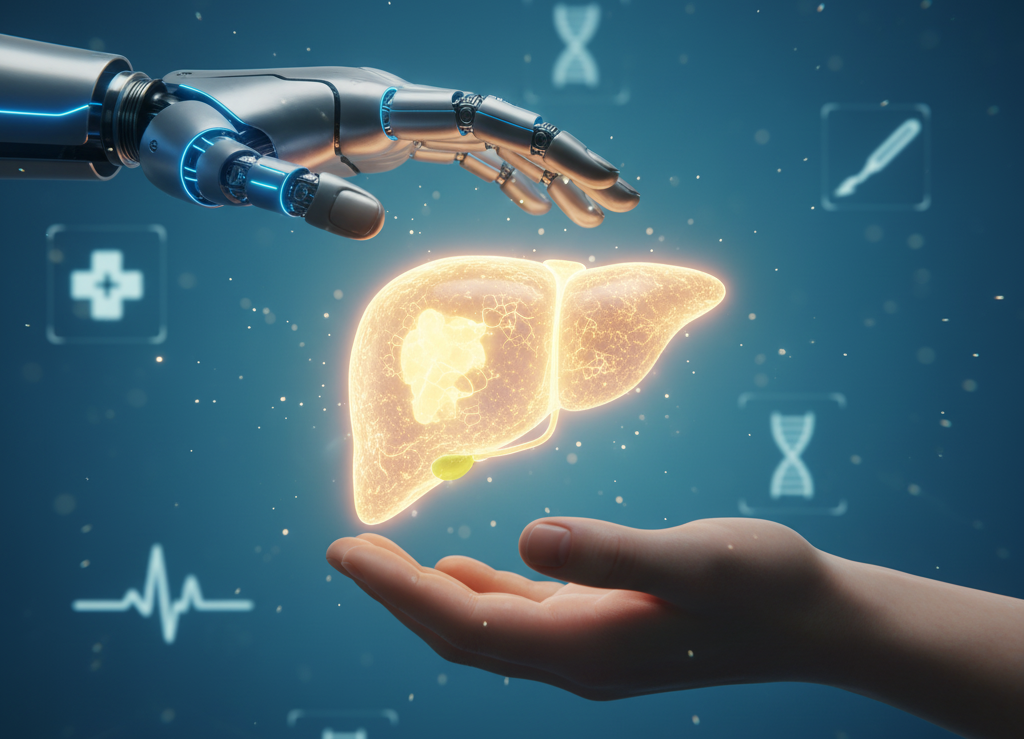
Transforming Lives and Hope For Liver Transplant
A liver transplant is a curative intervention that gives new hope in the lives of patients with end-stage liver disease or liver failure. This life-changing surgery replaces a damaged liver with a healthy one and restores vital body activities, improving the quality of life. Liver transplantations have become increasingly successful worldwide due to advances in medical science, living donor transplants, and post-operative care.
Table of Contents
- Introduction
- The Liver: Understanding It and Its Importance
- What is a liver transplant, and why is it needed?
- The Journey to Liver Transplantation
- Living Donor Liver Transplantation: A Gift of Life
- Liver Transplantation Challenges
- Success Rates and Life After Transplant
- Technological Innovations in Organ Transplant Medicine
- The Future of Liver Transplantation
- Conclusion
1. Introduction
The liver is one of the most essential organs in the human body that involve in Purify the blood, synthesis of vital proteins, and managing nutrients. Failure of his powerhouse due to chronic disease, infections, and the genetic conditions. The medical advancement has transformed the once fatal diagnosis into a treatable condition through liver transplantation.
A liver transplant is more than just a surgical procedure; it is a symbol of renewed life and hope for thousands of patients each year. From a rare experimental technique a few decades ago, this life-saving operation has emerged as a highly successful treatment, changing lives all over the world.
2. The Liver: Understanding It and Its Importance
Before proceeds with transplant, let’s learn about the liver and why it is so crucial. It is located in the upper right part of the abdomen, the liver performs over 500 vital functions, including:
- Detoxification involves filtering toxins from the blood.
- Metabolism: It involves the breaking down of fats, proteins, and carbohydrates to produce energy.
- Storage: It can store vitamins, minerals, and glycogen.
- Regulation includes the maintenance of hormonal balance and blood clotting.
With the severe damage to the liver, these functions can decline and result in liver failure, a potentially life-threatening condition.
3. What is a liver transplant, and why is it needed?
What is a liver transplant?
A liver transplant is the surgical replacement of a diseased or failing liver with a healthy one from a donor. The donor liver can be obtained from:
- Deceased Donors: The whole liver is taken from a deceased person who, upon their death, donated their organs.
- Living Donors: A portion of the liver, usually the right lobe, is transplanted from a healthy, living person, often a relative or close friend.
Incredibly, the liver is capable of regeneration, and this means the livers of both the donor and the recipient grow to full size in just a few months after surgery.
When is a Liver Transplant needed?
Generally, liver transplantation is reserved for patients when all other forms of treatment have been ineffective. The major causes of end-stage liver disease include:
1) Cirrhosis
The most common reason for transplantation is scarring of the liver, also known as cirrhosis. Causes of cirrhosis include:
- Chronic hepatitis B and C infections
- Alcoholic liver disease
- Non-alcoholic Fatty Liver Disease (NAFLD)
- autoimmune liver diseases
2) Acute Liver Failure
Sometimes, the liver function drops rapidly owing to:
- Toxicity due to drugs (including acetaminophen overdose)
- Viral hepatitis
- Poisons ingested
3) Genetic or Metabolic Disorders: Long-term damage to the liver can result from inherited diseases such as Wilson’s disease, hemochromatosis, or alpha-1 antitrypsin deficiency.
4) Liver Cancer: In selected cases of HCC, primary liver cancer transplantation may be the only curative solution in those situations where the cancer is confined to the liver.
4. The Journey to Liver Transplantation
A liver transplant is not a single event; it is a long journey of evaluation, preparation, surgery, and lifetime follow-up.
Step 1: Evaluation and Listing
Before listing a patient for transplantation, a detailed evaluation is undertaken. It can involves:
- Blood tests can show the liver function.
- Imaging – CT and MRI to evaluate liver injury
- Psychological and social assessments to assure readiness for the procedure.
Another key to factor in priority recipients is the MELD, or Model for End-Stage Liver Disease score.
Step 2: Waiting Period
Once on the transplant list, the waiting time for a suitable donor organ may take anywhere from days to months. A patient’s time on the waitlist requires regular health maintenance, adherence to medical recommendations, and preparedness for a surgical procedure at any moment.
Step 3: Surgeries
A typical liver transplant operation can takes around 6 to 12 hours and it can includes:
- Removing the diseased liver.
- It can Replace with a healthy liver donor.
Connected with blood vessels and the bile ducts to restore normal function.
Step 4: Recovery and Rehabilitation
After the surgery, patients spend several days in intensive care and then weeks recuperating. Immuno-suppressive medications has given to prevent the body from rejecting a new liver. Success depends upon regular monitoring and making lifestyle changes.
5. Living Donor Liver Transplantation: A Gift of Life
Another major development in transplant medicine is living donor liver transplantation (LDLT), where a living donor (usually a family member) can donate a part of the liver to the recipient.
Benefits:
- Shorter wait times for recipients.
- Better planning and preparation.
- Better survival rates, because donor organs are healthier.
- The donor recovers in a few weeks, and the liver grows back to near-normal size in two to three months.
This is a remarkable gift of science and humanity at its best.
6. Liver Transplantation Challenges
Liver transplantation and despite its successes, has many challenges worldwide:
1) Organ Scarcity: The requirement for the donor livers is more than the availability. Scores of patients die while waiting for an appropriate organ. Consequently, numerous countries are striving to heighten awareness about this aspect.
2) Cost and Accessibility: Liver transplantation is expensive; it ranges between $100,000 and $300,000 in most developed countries. Such advanced treatment is still relative inaccessible in low and middle income countries.
3) Risk of Rejection: Even with the use of advanced immunosuppressive drugs, there is always a possibility that the body may reject the new liver.
4) Post-Transplant Complications: These include complications such as infections, bile duct leaks, or recurrence of liver disease, which require lifelong medical attention.
7. Success Rates and Life After Transplant
Liver transplantation today has impressive success rates:
- 1-year survival: 85–90%
- 5-year survival: 70–80%
With adequate care, many recipients return to decades of healthy life, some back into work and family life, and some even to physical activities.
Lifestyle After Transplant
Post-transplant care includes the following:
- Taking immunosuppressive medications regularly.
- Consuming a balanced diet to protect the liver.
- Avoiding the consumption of alcohol and tobacco.
- Staying physically active and mentally healthy.
Medical follow-ups regularly reduce the chances of developing any complications and help in keeping the transplanted liver healthy.
8. Technological innovation in Organ Transplant Medicine
Recently years have seen some innovations that can improving the outcomes of liver transplants:
1) 3D Bioprinting: Researchers are finding that 3D printing of liver tissues with stem cells is offering the future potential to create artificial livers.
2) Machine Perfection Technology: It can enable donor livers to be preserved and assessed more efficiently before transplantation, thus increasing the viability of the organ.
3) Genomic Medicine: Improved knowledge of genomics informs physicians to predict rates of organ rejection and tailor immunosuppressive therapies that have better outcomes.
4) Artificial and Bioengineered Livers: Bioartificial liver device machines that mimic the function of the liver are being researched, providing temporary support to patients awaiting transplantation.
9. The Future of Liver Transplantation
The coming decade will bring even more radical innovations:
- Stem cell therapy may enable livers to regenerate without the need for full transplant.
- AI and predictive analytics will match donors and recipients more efficiently.
- Xenotransplantation (genetically modified animal organs) may ultimately solve the organ shortage problem.
- The convergence of biotechnology, artificial intelligence, and regenerative medicine is bringing us to a day when liver failure may not be a death sentence.
10. Conclusion
- For patients and their families, a liver transplant is not only a surgery, but a rebirth, an opportunity to have renewed faith, purpose, and the ability to live fully again, from the brilliance of medical science to the generosity of donors and the resilience of recipients.
- While challenges still exist, particularly around organ availability and accessibility, liver transplantation continues to transform despair into hope for thousands of people every year.



Post Comment