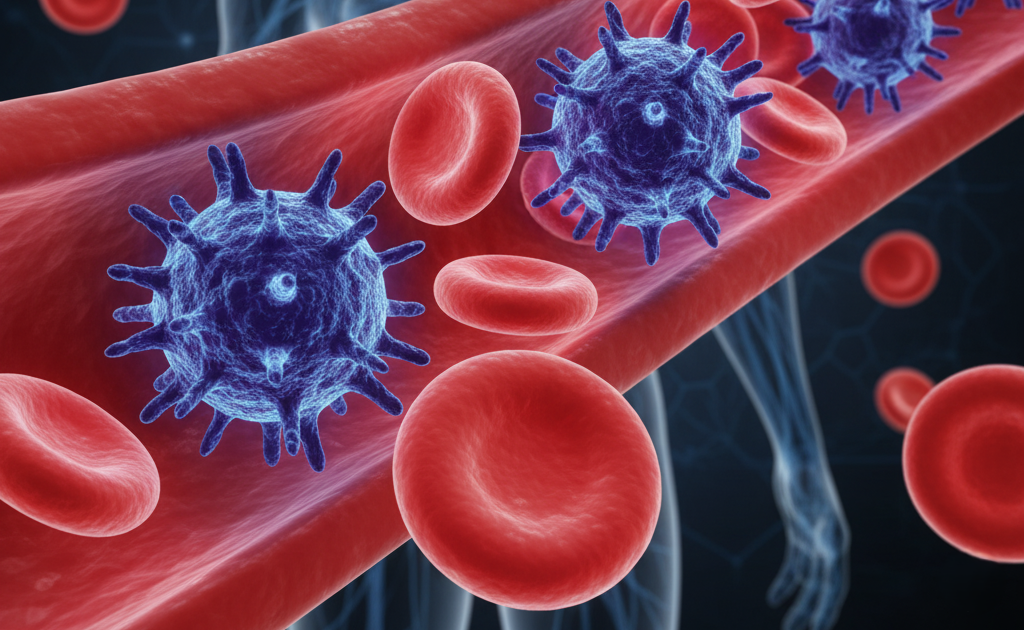
Blood Cancer For the Symptoms, Stages, and Treatment
Hematologic cancer, it can involves changes for the production and functions of blood cells, primarily in the bone marrow and lymph system. It can prevents for the blood cells from maturing properly, that may lead to a variety of symptoms: tiredness, repeated infections, spontaneous bruising, and weight loss.
Recent in the medical advancements, such as chemotherapy, targeted therapy, immunotherapy, and bone marrow transplants, have largely improved for the survival rates. This blog will look into the signs, stages, and alternative treatments for blood cancer in order to create awareness and encourage early medical intervention.
Table of Contents
-
- Introduction
- Understanding Blood Cancer
- Types of Blood Cancer
- Common Symptoms of Blood Cancer
- Stages of Blood Cancer
- Diagnosis and Testing
- Treatment Options for Blood Cancer
- Managing Side Effects and Recovery
- Recent Advances in Blood Cancer Treatment
- Conclusion
1. Introduction
Hematologic cancer that have commonly known as blood cancer, represents one of the most intricate and formidable forms of cancer in the world today, affecting millions. The disease begins in the blood-forming tissues, mainly within the bone marrow and lymphatic system, which are crucial to the development of blood cells and maintaining the body’s immune system. Unlike the traditional or solid tumors that originate within specific organs, blood cancer affects the body systemically, disturbing the production and functionality of normal blood cells.
Over the years have the medical science has substantially improve our knowledge of the blood cancer, leading to more accurate diagnostic techniques, efficient treatment methods, and increased survival rates. However, early diagnosis is crucial because, in many instances, the sooner the disease is diagnosed, the better the possibility for successful treatment and recovery.
2. Understanding Blood Cancer
Blood cancer arises within the bone marrow, where the production of blood takes place. It comes about when the normal process of blood cell production goes awry, leading to the unbridled multiplication of abnormal cells. These abnormal cells interfere with the normal functioning of other blood cells, such as red blood cells, white blood cells, and platelets.
How Blood Cancer Develops
Normally, bone marrow stem cells develop into one of several types of blood cells that perform important functions:
- RBCs, or red blood cells, carry oxygen throughout the body.
- In the WBCs play a crucial role in the body’s defense mechanisms against infections and diseases.
- Platelets are very important blood cells, since they participate in the coagulation process necessary to prevent excessive bleeding.
In the case of blood cancer, there is a mutation in the DNA of immature blood cells, which promotes uncontrolled multiplication. The overgrown cells for displace healthy cells and disrupt the balance between oxygen delivery, immune function, and the capability for proper clotting. As a result of this, patients might experience fatigue, recurring infections, or unusual bleeding.
Key Causes and Risk Factors
- Although the exact cause is unknown, there are known risk factors that increase the chance of the developing blood cancer.
- Genetic mutations or family history of the blood cancers.
- Exposure to radiation or certain chemicals, including benzene.
- Before cancer treatments with chemotherapy or radiation therapy.
- A compromised immune system, such as that seen with HIV infection.
3. Types of Blood Cancer
There are three major types of the blood cancer, and each of affects the blood and bone marrow in different ways.
1) Leukemia: Leukemia originates in the bone marrow and involves the white blood cells. It is classified as acute, which means fast growing, or chronic, meaning slowly growing.
- Acute Lymphoblastic Leukemia (ALL): Common in children; lymphoid cells are affected.
- AML mostly occurs in adults and the myeloid cells are affected.
- CLL: It progresses slowly and affects lymphocytes.
- CML: Chronic myeloid leukemia is due to the genetic alteration generally known as the Philadelphia chromosome.
2) Lymphoma: Lymphoma starts in the lymphatic system, which comprises lymph nodes, spleen, thymus, and bone marrow. It occurs due to the abnormal growth of lymphocytes, a kind of white blood cell.
- Hodgkin lymphoma (HL) is characterized by the presence of Reed-Sternberg cells.
- Non-Hodgkin Lymphoma (NHL): a general category that encompasses many subtypes, which vary in aggressiveness.
3) Myeloma (Multiple Myeloma): Myeloma is a disease of plasma cells, which are a form of white blood cells producing antibodies. Abnormal plasma cells build up in the bone marrow, resulting in weakened bones and an immune system malfunction.
Each one of these blood cancers behaves differently, hence the diagnosis and treatment methods vary.
4. Common Symptoms of Blood Cancer
Symptoms of blood cancer vary with the exact type and stage of the disease. Most symptoms of cancer of the blood are nearly identical in presentation to common health disorders, often leading to delayed diagnosis. The most common symptoms include:
- Lethargy and fatigue persist: because of anaemia or reduction of red blood cells.
- Frequent infections due to hampered immune functions.
- Unexplained weight loss is a common sign that may signal the presence or progression of cancer.
- Fever, night sweats, and the chills are due to immune dysfunction.
- For the Easy bruising or bleeding: due to the low counts of platelets.
- The Swollen lymph nodes, especially in the neck, armpits, or groin.
- The Bone pain or tenderness has especially with multiple myeloma
- Shortness of breath and pale skin are caused by low levels of oxygen in the blood.
Early recognition of these symptoms that have coupled with early consultation with a healthcare provider can often can ensure timely diagnosis and improved outcomes.
5. Stages of Blood Cancer
Unlike solid tumors, the staging of blood cancers does not always depend on tumor size. Rather, staging depends on type of blood cancer, dissemination of abnormal cells, and changes to blood and bone marrow.
Staging of Leukemia
Leukemia is usually classified as either acute or chronic, depending on the speed at which abnormal cells grow and accumulate. Further categorization depends upon genetic and chromosomal analysis for prognosis and treatment response.
Lymphoma Staging (Ann Arbor System)
- Stage I: Cancer is found in one lymph node group (region) or in a single organ.
- Stage II: Involvement of two or more lymph node regions on the same side of the diaphragm.
- Stage III: The lymph nodes on both the sides for the diaphragm are affected.
- Stage IV: The Cancer has spread to other organs, such as the liver, lungs, or the bone marrow.
6. Diagnosis and Testing
Diagnosis for the blood cancer is series of the laboratory and imaging studies to identify the abnormal cells and determine the type of cancer and its extent.
Common Diagnostic Tests Include:
- CBC: This provides the measurement for the different kinds of blood cells.
- Bone Marrow Aspiration and Biopsy: This test checks bone marrow samples for unusual cells.
The importance of early and precise diagnosis cannot be overstated in determining the best treatment strategy to ensure a good prognosis.
7. Treatment Options for Blood Cancer
This type of the treatment for blood cancer will depend on its type, stage, the patient’s age, and the general state of health. In the Recent advances in oncology have allowed not only the opportunity for remission but, in many cases, a long-term cure.
1) Chemotherapy: Chemotherapy uses strong drugs to kill cancerous cells. It can be administered orally, intravenously, or by injections. Though effective, it is most often accompanied by side effects such as nausea, fatigue, and hair loss.
2) Radiation Therapy: This treatment uses high-energy rays to kill cancer cells or shrink tumors and is very effective in the case of localized lymphomas.
3) Immunotherapy: This approach of treatment helps the body’s immune system to attack cancer cells more effectively. For example, CAR T-cell therapy transforms a patient’s T-cells so they can find and destroy cancer cells.
4) Supportive and Palliative Care: In addition to treating the disease, supportive care is designed to improve a person’s quality of life by alleviating pain and fatigue as well as addressing emotional distress.
8. Managing Side Effects and Recovery
- Though lifesaving, cancer treatments commonly lead to side effects that must be carefully managed.
- Recovery from blood cancer is not solely physical; it is also emotional and psychological.
9. Recent Advances in Blood Cancer Treatment
Medical science continues to push the envelope on research into blood cancer. Advances in genetics, immunotherapy, and personalized medicine continue to change patient outcomes. Key developments include: CAR T-Cell Therapy: Revolutionizing Treatment in Resistant Leukemia and Lymphoma Cases CRISPR gene editing has the potential to correct the genetic defects that cause blood cancer. NGS: Next-generation sequencing allows for the precise detection of mutations for tailored treatments.
10. Conclusion
Blood cancer remains one of the most complex diseases in terms of diagnosis and treatment. Early detection, correct diagnosis, and cutting-edge treatments now see many patients achieving remission and long-term recovery. Knowledge about symptoms, stages, and treatments of blood cancers will help individuals take precautionary measures toward health awareness and early medical advice. Therefore, scientific innovation, compassion, and firm human determination to conquer the most difficult diseases are what fuel a hopeful future for the treatment of blood cancer.



Post Comment