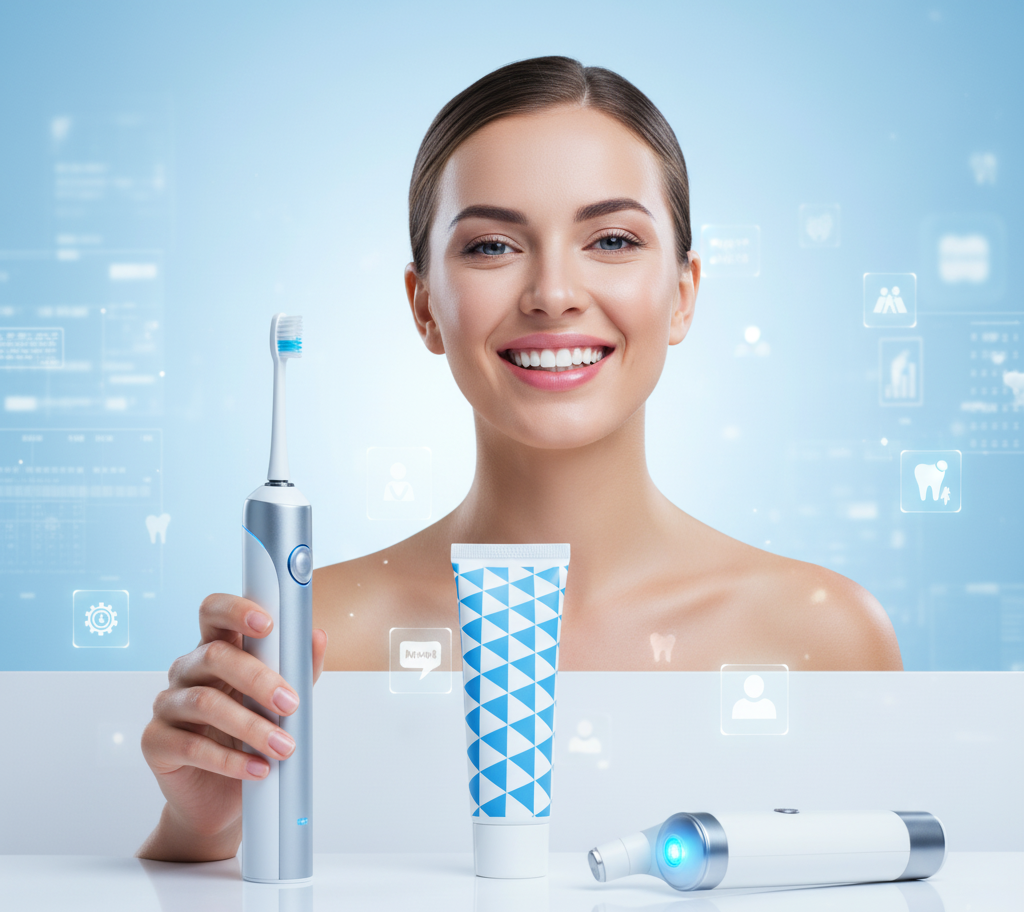
Teeth Care Tips for a Bright and Healthy Smile in 2025
A bright, healthy smile is more than just for a confidence booster, but it’s a reflection of your overall well-being. In this blog, that can discover the latest dental care practices, smart oral hygiene habits, and modern innovations shaping dental health this year.
From advanced whitening techniques through sustainable toothbrush choices to nutrition that supports strong enamel, this guide will help you achieve a radiant and long-lasting smile. Learn how to small daily changes and regular check-ups can make a big difference to your strong teeth and healthy gums to keep your smile truly dazzling in 2025.
Table of Contents
- Introduction
- Why the Oral Health Matters More Than Ever
- Daily Dental Care Routine: Back for Basics
- Modern Dental Innovations Transforming Smiles
- Nutrition for Stronger Teeth and Gums
- Whitening Tips for a Naturally Brighter Smile
- Preventive Dental Care and Regular Check-Ups
- Common Dental Mistakes to Avoid
- Natural and holistic approaches to dental care
- Conclusion
1. Introduction
It is More than a facial expression, a smile is a universal language of confidence, warmth, and positivity. In 2025, when personal wellness and self-care are taking center stage, the importance of maintaining a healthy, radiant smile has never been greater. Whether it’s a virtual meeting, a social gathering, or a simple photograph, your smile reflects your personality and health.
Today, it is modern dentistry that can encompasses more than treating for a cavity or gum disease: it is holistic well-being, aesthetics, and prevention for all combined. In this era of the advanced dental technologies, new treatments, and increased awareness regarding oral hygiene, people can be better equipped than ever before to take responsibility for their oral health.
With all the information and new products available, though, many people still have a hard time being consistent with a proper oral care routine. This definitive guide covers some of the most important teeth care tips, new products, and alternative methods to follow in order to achieve and maintain a whiter, healthier smile in 2025 and beyond.
2. Why the Oral Health Matters More Than Ever
The Oral health is a window into your overall well-being. The Studies that can continue to show that dental issues are not isolated. It can link to heart disease, diabetes, respiratory infections, and even pregnant complication. The Poor oral healthcare can cause inflammation and bacterial infections that spread throughout the body.
In 2025, as people focus more on preventive healthcare, oral hygiene plays a crucial role in maintaining long-term health.
- The Connection Between Oral and General Health: In the Research has established a solid link between the gum disease and systematic condition, such as cardiovascular disease and diabetes. Coupled with other stress-related habits related to teeth grinding, oral care has become an essential part of maintaining a balanced lifestyle.
- By visiting a dentist regularly, expensive dental treatments can be prevented. Prevention costs much less than treatment and is way more efficient, whether by means of brushing, flossing, or regular check-ups.
3. Daily Dental Care Routine: Back for Basics
But before trying the latest dental trends, you really need to get the basics of oral hygiene down.A good oral hygiene routine is still the best foundation for healthy teeth and gums.
3.1 For Brushing Technique That can Matter
Most of the people brush daily, but few do it correctly. Consistency and good technique are the keys.Brush your teeth twice a day:
- once in the morning and before bed.
- A soft-bristled toothbrush or an electric toothbrush should be used for better cleaning.
- Brushte at least two minutes throughout all the surfaces of the teeth.
- The brush should be held at a 45-degree angle to the gum line, moving in smooth circular motions.
3.2 Flossing: The Unsung Hero of Oral Hygiene
Brushing removes the plaque from tooth surfaces, while flossing cleans between the teeth, in areas where a brush cannot touch. Dental floss or water flossers should be used every day to help prevent gum disease and decay.
3.3 Extra Protection with a Mouthwash
An antibacterial or fluoride mouthwash helps kill bacteria and fortify the enamel, while keeping fresh breath. However, it should reinforce brushing and flossing, not replace either of them.
3.4 Change Your Toothbrush Regularly
Replace your toothbrush or brush head with a new one every three months, or sooner if the bristles are frayed. A worn brush cannot clean your teeth properly.
3.5 Keep Yourself Hydrated
Drinking plenty of water helps wash away food particles and maintains saliva production at a regular pace, hence neutralizing the acids that create cavities. With the observance of these daily habits, you are building a foundation for strong, healthy teeth and healthy gums.
4. Modern Dental Innovations Transforming Smiles
With the advent of 2025, dental care has entered a new phase of the technology and innovation join to provide comfort, precision, and personalization.
- AI-Powered Dental Diagnostics: AI tools now help dentists detect cavities, gum issues, and oral cancers early. AI scans X-rays and 3D images with high accuracy in less time compared to conventional methods.
- 3D Printing in Dentistry: It has been revolutionization of the creation of crowns, aligners, bridges, and dentures. These products are custom designed for each patient, reducing waiting time and improving comfort.
- Laser Dentistry: It can allows painless treatment of cavities, gum reshaping, and teeth whitening. It is minimal invasive, promotes for faster healing, and reduces the need for anesthesia.
- Smart Toothbrush and App: Smart toothbrush that can connect via mobile apps to track brushing patterns, provide feedback, and even turn oral hygiene into a game. It is especially that can useful for the children and teenagers.
- Invisible Aligners and Cosmetic Improvements: Clear aligners, like Invisalign, are still in demand because of their inconspicuousness and comfort. Digital smile design also engages the patient in previewing their post-treatment smile with the help of virtual simulation.
5. Nutrition for Stronger Teeth and Gums
A balanced diet is vital for health in the mouth. The food you eat affects the strength of the teeth and the condition of your gum.
5.1 Nutrients that can Promote for Healthy Teeth
- Calcium: It can Enhances enamel and jawbones. It is found in the dairy products, almonds, and leafy greens.
- Phosphorus: Partners with calcium in the restoration of tooth enamel. Found in fish, eggs, and nuts.
- Vitamin D: Helps the body absorb calcium. Good sources are: sunlight, mushrooms, and fortified foods.
- Vitamin C: necessary for maintaining healthy gums and preventing inflammation. It is found in citrus fruits, berries, and bell peppers.
5.2 Foods That Support Oral Health
- Crunchy fruits and vegetables, such as apples, celery, and carrots, clean teeth naturally.
- Polyphenols in the green tea and black tea inhibit bacterial growth.
- Water to help remove debris and keeps the mouth watery.
5.3 Foods and Drinks to Limit
- The Sugary snack and soda to help create cavities.
- Acidic beverages, such as those containing citrus juices or wine, corrode the enamel.
- Sticky foods, such as caramel, stick to teeth, which can increase the risk of decay.
5.4 The Function of Probiotics
- Probiotics are not only good for the gut but also promote oral health by balancing bacteria in the mouth.
- Yogurt and fermented foods are excellent sources.
- The Conscious eating nurtures the teeth from within to gain natural strength and resiliency.
6. Whitening Tips for a Naturally Brighter Smile
It can Just about everyone wants that bright, confident smile, but overdoing whitening treatments can damage enamel. Here is the how to achieve a naturally white smile without sacrificing safety.
6.1 Professional Whitening Treatments
Advanced whitening options by dentists make results faster and safer than over-the-counter kits.
6.2 At-Home Whitening Options
Whitening toothpaste, strips, and LED kits can help with surface stains. Always follow instructions carefully and avoid overuse.
6.3 Natural Whitening Remedies
Baking soda and hydrogen peroxide-just a little-can serve as a stain remover.
Oil pulling with coconut oil is an ancient remedy that may improve oral hygiene.
Activated charcoal removes toxins as well as mild stains but should be used in moderation.
7. Preventive Dental Care and Regular Check-Ups
Preventive care is the foundation of a lifetime of good oral health. By 2025, more people will seek regular dental visits rather than waiting for problems to develop.
- Regular Dental Checkups: You should go to your dentist for cleaning and checkups every six months, which will help to catch the decay, gum diseases, and oral cancer in early stages.
- Professional Cleaning: Plaque and tartar build up in areas that are difficult to reach, even when you are brushing properly. Professional cleaning cleans these completely for a healthy gum.
- Dental Insurance and Preventive Plans: With so many dental plans now emphasizing preventive coverage, it is encouraging patients to maintain consistent care and avoid larger expenses later. A habit of regular, preventive dental care will ensure you a lifetime of healthier, stronger teeth.
8. Common Dental Mistakes to Avoid
Even with the best intentions that can many people make mistakes that harm for their oral health. Here to avoid:
- Brushing Too Hard: The Aggressive brushing can wear down enamel and irritate gums.
- Skip Floss: This is where bacteria can build between the teeth.
Using the wrong toothpaste: In the Whitening toothpastes can sometimes be too harsh to be used daily. - Ignoring Bleeding Gums: These are usually an early sign of gum disease and mustn’t be ignored. Chewing ice or hard objects can chip or crack your teeth. Not cleaning your tongue leads to bad breath and bacterial buildup.
Using teeth as tools may lead to fractures as when opening packages with teeth. - Delaying Dental Visits: Waiting until pain appears often leads to complex, costly procedures.
9. Natural and Holistic Approaches to Dental Care
Herbal Toothpowder and Oil: These herbal alternatives that can prepared from using neem, clove, or miswak, possess antibacterial properties and support gum health naturally.
- Oil Pull: This is an ancient Ayurvedic practice where coconut or sesame oil is swished in the mouth for 10–15 minutes to reduce bacteria and freshen the breath.
- Fluoride-free alternatives: It include hydroxyapatite for natural choice-one naturally occurring mineral that has been shown to be effective in strengthening tooth enamel.
- Eco-Friendly Oral Products: Some of the popular sustainable choices in the year 2025. It can include bamboo toothbrushes, and refillable toothpaste tablets.
10. Conclusion
Embrace both modern and holistic approaches. Remember, your smile is one of the best possessions you have. It’s a reflection of not only your health but also your confidence and happiness. By following these care tips for teeth and adopting a proactive approach towards oral health, you can be certain that your smile stays brighter, strong, and healthier for many more years to come.



Post Comment