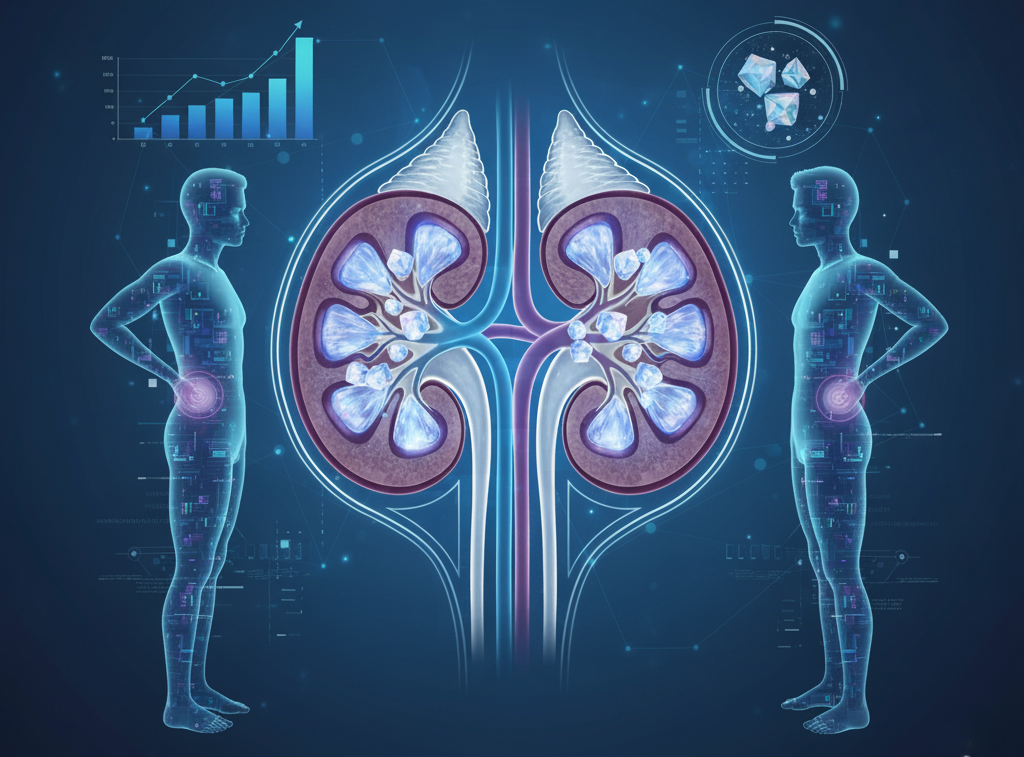
Kidney Stones in Young Adults For the Insights from Modern Medicine
No longer an older person’s problem, kidney stones are being increasingly diagnosed among young people in their 20s and 30s. The surprising rise of kidney stones among 20- and 30-somethings, and how modern lifestyles, poor diets, dehydration, and genetics put them at risk.
This article will discuss the most recent findings in medical research, advanced diagnosis, and effective treatments that exist today. Find out how modern medicine is addressing this increasing concern and what practical steps young adults can take to protect their kidney health.
Table of Contents
- Introduction
- What are Kidney Stones?
- Rising Incidence in Young Adults
- Key Causes and Risk Factors
- Common Symptoms and Warning Signs
- Advances in Medical Treatments
- Preventive Strategies for Young Adults
- Role of Modern Medicine in Kidney Stone Prevention
- Conclusion
1. Introduction
Kidney stones, medically referred to as nephrolithiasis or urolithiasis, have conventionally been considered a disease of middle-aged or elderly patients. However, recent epidemiological data reveal a significant rise in the incidence of kidney stones among young adults worldwide. Thus, this shifting demographics has attracted the attention of both nephrologists and urologists, raising questions about changing lifestyles, eating behaviors, and environmental factors that may contribute to this trend.
During the past two decades, modern medicine has expanded greatly in understanding pathophysiology, diagnosis, and treatment of kidney stones. The advent of minimally invasive surgical techniques, improvements in various imaging methods, and proactive medical strategies have transformed how clinicians manage this historically persistent and painful disease.
This article explores the growing incidence of kidney stones among young adults, discussing current medical views, methods of diagnosis, and treatment options for mitigating recurrence and improving patient outcomes.
2. What are Kidney Stones?
Kidney stones are crystalline solid structures formed from minerals and salts that build up in the kidneys. They can be formed when the urine has becomes concentrated, enabling substances like calcium, oxalate, and uric acid to begin crystallizing and sticking to each other. Over time, these small crystals may grow into larger stones that can obstruct the urinary tract and cause severe pain.
Types of Kidney Stones
Modern diagnostic techniques have identified several distinct types of kidney stones, each with different causes and treatment implications:
- Calcium Oxalate Stones: These are the most common stones and they are formed while calcium combines with oxalate in urine. High levels of oxalate usually come from foods such as spinach, nuts, and tea.
- Calcium Phosphate Stones: These are generally related to alkaline urine along with metabolic disorders, like renal tubular acidosis.
- Uric Acid Stones: These are formed individuals who can excrete high amounts of uric acid and are usually linked to high-protein diets or conditions such as gout.
- Struvite Stones: These are usually associated with urinary tract infections due to urease-producing bacteria.
3. Rising Incidence in Young Adults
The kidney stones were most common in individuals aged 40 and above. However, many studies conducted within the past decade show a large increase in cases among individuals aged 18 to 35 years. For instance, studies published in the Journal of Urology and by the American Society of Nephrology have shown that the prevalence of kidney stones in young adults has almost doubled since the year 2000.
Contributing Factors
A number of lifestyle and environmental changes have been identified as key contributors:
- Nutritional Changes: High intake of processed foods, sugar-sweetened beverages, and sodium-laden fast foods.
- Sedentary Lifestyle: The reduction of physical activities lowers metabolic efficiency and urinary output.
4. Key Causes and Risk Factors
Development of kidney stones is multifactorial, related to genetic, environmental, and lifestyle factors. Modern medicine has unraveled many biochemical and physiological mechanisms that increase susceptibility, especially in young adults.
Metabolic Risk Factors
- Hypercalciuria: The presence of excess calcium in the urine, resulting often from dietary imbalance or genetic predisposition.
- Hyperoxaluria: Increased levels of oxalate in the urine due to high oxalate foods or intestinal absorption disorders.
- Hypocitraturia: Poor levels of citrate reduce urine’s ability to prevent crystal formation.
- Hyperuricosuria: The Excretion of excess uric acid linked to high-purine diets.
Occupational hazards include work that is exposed to high temperatures or with limited access to water such as athletes and factory employees.
Genetic and Family History A family history of nephrolithiasis remains one of the strongest predictors. Genetic disorders such as cystinuria and primary hyperoxaluria present early in adulthood, underscoring the need for genetic screening in recurrent cases.
5. Common Symptoms and Warning Signs
Symptoms of kidney stones will depend on the size of a stone, as well as its position within the urinary tract. The hallmark symptom is renal colic-sudden, severe pain originating in the flank and radiating to the lower abdomen or groin.
Typical Clinical Presentation
Severe flank or back pain is often colicky and severe.
- Hematuria: Blood in urine because of the stone’s irritating effects on the urinary tract.
- Nausea and Vomiting: The Common due to pain-induced autonomic response.
- Dysuria and urgency of urination: Especially when the stone has reached the lower ureter.
- Fever and Chill: It can Indicates secondary infection and possible obstruction for an emergency condition. Young adults may postpone seeking care and may dismiss their early symptoms as due to muscle strain or minor discomfort.
However, delayed intervention can lead to complications such as hydronephrosis, urinary tract infection, or even renal impairment.
6. Advances in Medical Treatments
In the Modern medicine has replaced most of the indications for open surgery with a variety of minimally invasive, yet highly effective, interventions for the management of kidney stones.
6.1 The Pharmacological Management
- Pain Control: NSAID and opioid for acute episode of the renal colic.
- Medical Expulsive Therapy (MET): The Alpha-blockers, such as tamsulosin, relax ureteral smooth muscle and promote the passage of stones.
- Uric Acid Stone Dissolution: For the Alkalinization with potassium citrate or sodium bicarbonate.
6.2 Minimal Invasive Procedures
- Extracorporeal Shock Wave Lithotripsy: For the Non-invasive treatment wherein shock waves break the stones.
- URS: Ureteroscopy (or endoscopic removal using laser lithotripsy) of stones in the ureter or kidney.
- PCNL: This involves a small incision in the back for larger or complex stones.
Mini- and Micro-PCNL represent modern variants associated with reduced morbidity and faster recovery.
6.3 After Treatment
Hydration, dietary modification, and periodic imaging are necessary to prevent recurrence. Patients are advised to maintain high urine output, following metabolic evaluations every 6–12 months.
7. Preventive Strategies for Young Adults
Because nearly 50% of first-time stone formers will experience recurrence within five years, modern preventive medicine puts much emphasis on addressing modifiable risk factors to minimize recurrence.
Dietary Changes
Adequate fluid intake should be at least 2.5–3 liters a day to maintain dilute urine.
- Balanced Intake of Calcium: Avoid deficiency and excess. Dietary calcium complexed with oxalate in the intestine limits absorption.
- Reduced Sodium: For the High sodium increases calcium excretion.
- Limited Animal Protein: It is Excessive consumption increases uric acid levels and reduces urinary citrate.
- Oxalate Control: For the Limit high-oxalate foods such as spinach, rhubarb, and nuts.
Lifestyle Changes
Regular physical activity helps improve metabolic health and reduces the risk of obesity-linked stones.
- Stress Management: Chronic stress changes the balance of hormones, indirectly affecting stone risk.
- Avoid Excessive Caffeine and Sugary Drinks: These can cause dehydration and make the urine more acidic.
Medical Monitoring Regular screening, especially among those with family histories or metabolic risks, helps in the early detection of biochemical abnormalities and assists in guiding pharmacological prevention.
8. Role of Modern Medicine in Kidney Stone Prevention
In the Integration of precision medicine, genomics, and digital health monitoring is redefining kidney stone prevention and management.
- Precision Medicine and Genetic Profiling: For Advanced in the genetic sequence have identified mutations that are associated with recurrent stone formation and involve genes such as SLC3A1 and AGXT.
- Artificial Intelligence and Predictive Analytics: AI-based predictive models can now identify individuals at risk based on dietary, hydration, and metabolic profiles. Systems like this assist clinicians in early intervention and patient education.
- Wearable hydration monitors, smartphone applications that can track the fluid intake, urinary patterns, and dietary compliance, are some of the digital health tools that help bridge the gap between clinical visits for young adults.
- Public Health Initiatives: Medical organizations are running campaigns to make people aware of the importance of kidney health in younger populations. School and workplace wellness programs encourage proper hydration and nutritional awareness to reverse the trend of rising incidence.
9. Conclusion
The growing prevalence of the renal calculi in young adults has become for a multifaceted problem that requires medical innovation and public health intervention. Modern medicine has given powerful diagnostic, therapeutic, and preventive tools that have drastically improved patient outcomes.
From the non-invasive imaging and laser lithotripsy to personalize metabolic therapy and genetic profiling, the management of kidney stones has evolved into an exact and patient-centered discipline. Yet, the cornerstone of long-term success in preventing the disease involves ensuring that young adults are informed about proper hydration, nutrition, and lifestyle habits that protect renal health.
But as research continues to unravel the molecular roots of stone disease, it is increasingly the task of both clinicians and policymakers to join hands and raise awareness, promote early testing, and utilize medical technology in order to safeguard renal health among the young. Modern medicine, therefore, stands at the forefront of the control and prevention of kidney stones, once considered a disease of aging, but which are now a modern health problem.



Post Comment