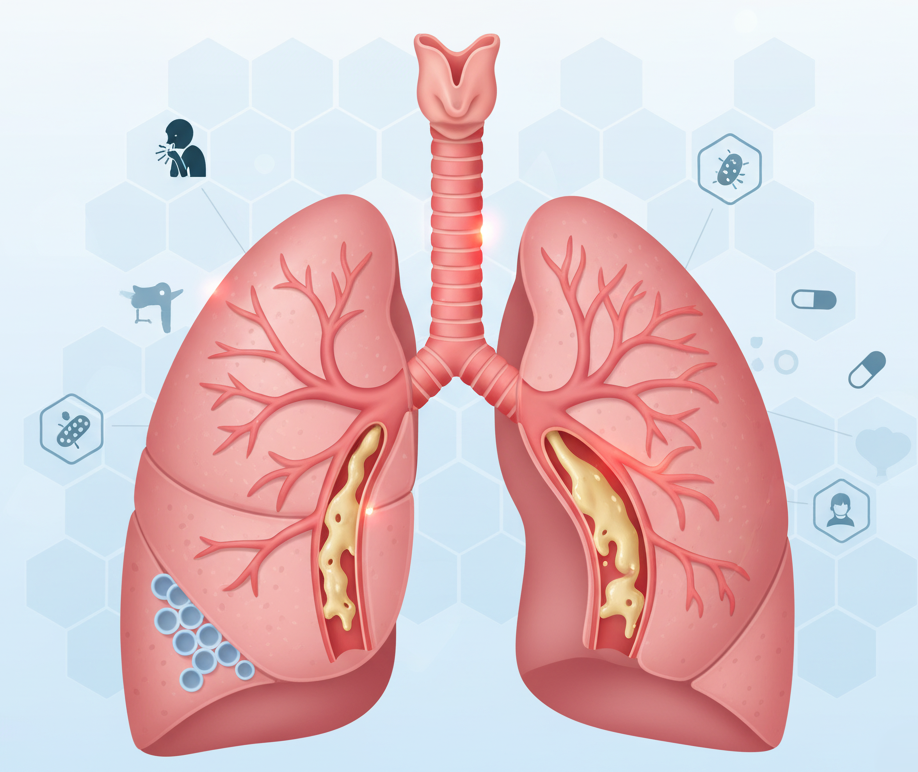
Bronchitis: A Complete Guide for the Symptom, Cause, and Treatment
One of the most common respiratory conditions that affects millions of people worldwide, this guide explains the difference between acute and chronic bronchitis, common causes (e.g., viral infections and environmental factors), telltale symptoms (e.g., persistent cough and chest discomfort), treatment options (e.g., medical therapies and home remedies), and how to prevent and maintain lung health.
Table of Contents
- Introduction to Bronchitis
- Types of Bronchitis
- Symptoms of Bronchitis
- Diagnosis and Testing
- Treatment Options
- Prevention Strategies
- Conclusion
1. Introduction to Bronchitis
It is a respiratory disease that affects millions worldwide each year and is caused by the inflammation and swelling of the bronchial tubes, the airways that carry air to the lungs, lead to cough, increased mucus production, shortness of breath, and chest pain.
While most of the cases are bronchitis are mild and short-term. It can sometimes develop into a more serious, chronic condition that significantly impacts lung function and quality of life. Knowing the causes, symptoms, and treatment options for bronchitis can help to manage it early and prevent the more serious, chronic form of the disease.
In plain language, bronchitis is the body’s response to irritation or infection in the airways. When the airways become inflamed, they narrow, reducing airflow into and out of the lungs. The body compensates by producing more mucus, which is coughed up. This guide covers everything you need to know about bronchitis.
2. Types of Bronchitis
This is the two types of the bronchitis: acute bronchitis and chronic bronchitis.
2.1 Acute Bronchitis
It is a temporary inflammation of the bronchial tubes, commonly occurring after a cold or other respiratory infection, and typically lasting a few days to a few weeks.
It is usually caused by a viral infection, and most people with acute bronchitis fully recover without any long-term effects. Acute bronchitis is extremely common, particularly during the winter months, and can affect people of all ages.
Key Features of Acute Bronchitis:
- Short-term illness (2–3 weeks)
- Often result from a cold or fever
- Due to virus
- It resolves without serious complications
2.2 Chronic Bronchitis
It is the type of chronic obstructive pulmonary disease by a cough with mucus production for at least three months of the year for two consecutive years.Chronic bronchitis is primarily the result of long-term exposure to irritants, such as cigarette smoke, air pollution, or industrial fumes. The inflammation causes permanent damage to the airways that results in chronic coughing, shortness of breath, and fatigue.
Chronic bronchitis is typically caused by smoking or environmental irritants and is characterized by the following:
- Long-term (chronic) inflammation of bronchial tubes
- Usually caused by smoking or environmental irritants
- Associated with a persistent
- mucus-producing cough
- May lead to irreversible lung damage
- Needs medical management and lifestyle changes
3. Symptoms of Bronchitis
The symptoms of bronchitis typically develop following a cold or sore throat and can gradually worsen, with a persistent cough being the most common symptom.
Signs and symptoms include:
- Persistent cough (lasting several weeks)
- Mucus production (clear, yellow, green, or white)
- Chest congestion or tightness
- Fatigue or weakness
- Mild fever and chills
- Sore throat or nasal congestion
- Shortness of breath, particularly with exertion
- Wheezing or a whistling sound when breathing
4. Diagnosis and Testing
The diagnosis of bronchitis usually starts with a physical exam and a review of symptoms; your doctor will listen to your lungs with a stethoscope for wheezing or crackling sounds, which can signify inflammation.
Diagnostic Tests:
- Chest X-Ray: Rules out pneumonia or other lung conditions.
- Sputum Test: Tests mucus to see if it contains a bacterial infection or allergens.
- Pulmonary Function Test (Spirometry): Measures lung capacity and airflow, which may indicate chronic bronchitis or COPD.
- Blood Tests: It may be ordered to detect infections or oxygen levels in the blood.
- Oximetry: A small devices that can clip to your finger measures the amount of oxygen in your blood.
Tests for these conditions help doctors determine whether the bronchitis is acute or chronic and which treatment plan is needed.
5. Treatment Options
Treatment for bronchitis is aimed at alleviating symptoms, removing mucus, and preventing complications, depending on whether it is acute or chronic.
The Acute bronchitis treatment
In general, to resolve on its own without medical intervention; however, the following treatments can help alleviate symptoms and facilitate recovery:
- Rest and Hydration: Adequate rest and drinking plenty of fluids can aid recovery by helping to thin mucus and allowing the body to focus on combating the infection.
- Over-the-Counter Medications: Pain relievers such as acetaminophen or ibuprofen can alleviate fever and pain.
- Cough Suppressants and Expectorants: These may be used to suppress a dry cough or loosen mucus.
The Chronic bronchitis for the treatment
It needs long-term management, which includes reducing inflammation, opening airways, and preventing flare-ups.
Treatments may include:
- Bronchodilators: Inhalers that relax the muscles of the airways to increase airflow.
- Steroid: Decrease inflammation in the bronchial tubes.
- Oxygen Therapy: In severe cases, used to maintain adequate oxygen levels.
- Pulmonary Rehabilitation: A program of exercise, breathing techniques, and education to increase lung function.
- Antibiotics: Prescribed when a bacterial infection is suspected.
- Lifestyle Changes: Quitting smoking, reducing exposure to pollutants, and a healthy diet can make a significant impact on symptoms.
6. Prevention Strategies
Chronic bronchitis cannot be fully prevented, but you can lower your risk with some sensible precautions.
Practical Prevention Tips:
- Quitting smoking is the single best way to prevent chronic bronchitis.
- Avoiding air pollutants, such as dust, fumes, or chemical irritants, and wearing a mask, strengthening your immune system.
- Balanced diet, exercise, and adequate sleep, getting vaccinated against annual flu shots and pneumonia vaccines.
- It is washing your hands frequently to prevent the spread of viruses and bacteria, and using air purifiers to reduce indoor allergens and improve air quality can help lower your risk.
7. Conclusion
It can vary from a mild annoyance to a significant chronic health issue, and most people fully recover or learn to manage their symptoms after early detection and ongoing care, including lifestyle changes. By learning about the causes and recognizing the early signs, as well as following the correct treatment and prevention strategies, you can ensure that your lungs remain healthy and allow you to maintain an active and healthy lifestyle.
The takeaway: If you are coughing, wheezing, or struggling to breathe for several days, get medical attention right away. By proactively managing your respiratory health today, you will reap the benefits later.



Post Comment