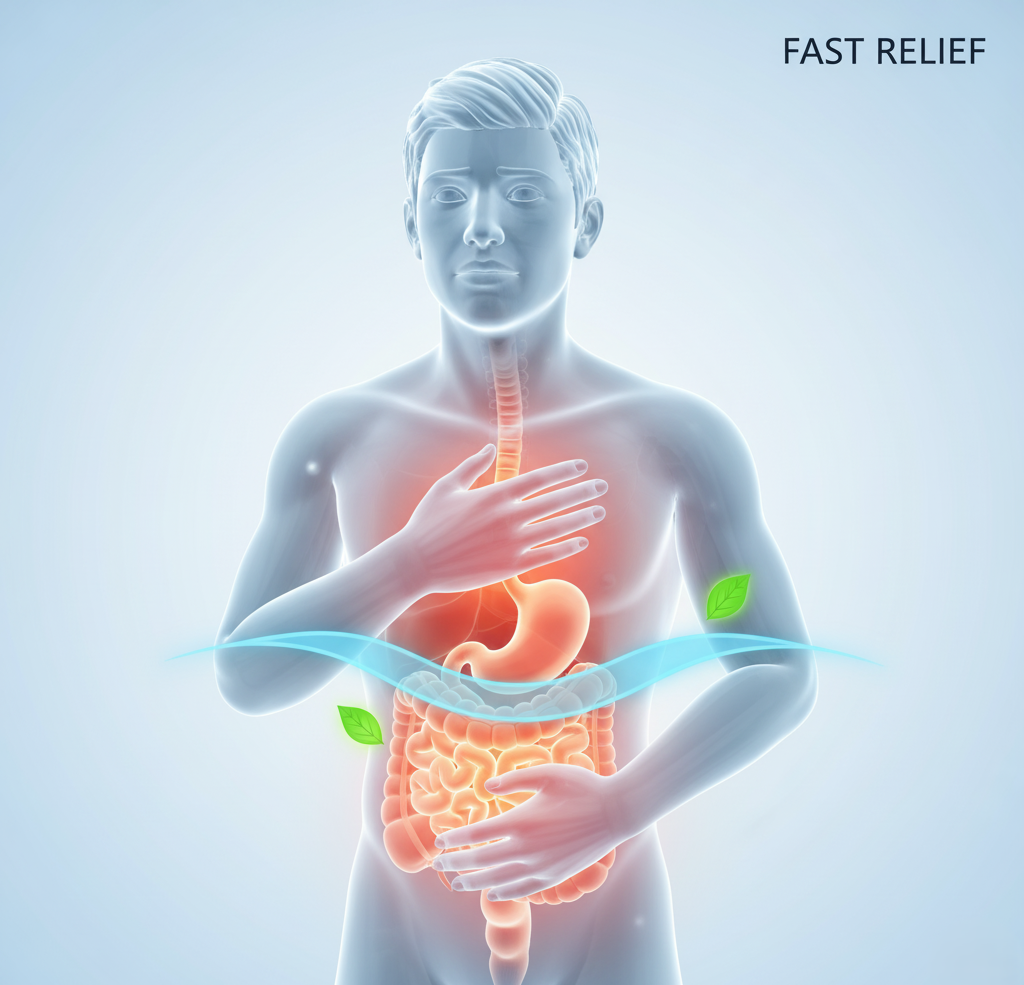
Gas Fast Relief Tips For the Chest Pain
Chest pain can be alarming, but at times, it’s just due to gas buildup. This article discusses how gas buildup within your stomach or intestines can create pressure and pain that mimics that of heart pains. The following guide will help you differentiate between gas causing chest pain from other more serious conditions and also offer you some quick and effective relief methods.
Discover natural remedies, dietary changes, and lifestyle changes that can help with bloating and bring comfort once again. Learn when to seek medical help and how to prevent the condition in the future for continued digestive and general health.
Table of Contents
- Introduction
- What Causes Gas-Related Chest Pain?
- Symptom: How to Tell for Gas, Not the Heart Pain
- Quick Home Remedy for the Instant Relief
- For Effective Over-the-Counter Treatments
- Dietary Changes can be Avoid Gas Build-Up
- Lifestyle Tips for the Long-Term Digestive Comfort
- Conclusion
1. Introduction
It can be alarming, but it can often create anxiety over the potential heart problems this may cause. It is not every type of chest pain means there is a problem with the heart. In many cases, gas accumulation in the digestive tract can lead to chest pain similar to that of a heart attack. If an excess amount of gas builds up in your stomach or intestines, it might create pressure rising into your chest area. This can bring about sharp or dull pain, bloatedness, or a sensation of heaviness behind the breastbone.
Understanding the relationship between digestion and chest pain is the first step to finding relief. While the chest pain due to gas is typically benign, it can be uncomfortable and puzzling at the same time. Being able to recognize it and knowing how to address it quickly will help you avoid unnecessary distress and find quick comfort.
In this comprehensive guide, we will look at the causes of gas chest pain, how to distinguish it from heart-related pain, and the most effective means of quickly relieving it and ensuring it does not recur.
2. What Causes Gas-Related Chest Pain?
The Chest pain due to gas typically develops when accumulated air or digestive gases become trapped in the upper GI tract. The accumulation of the gas stretches for the digestive organs, which then pulls on the diaphragm and nerves close by and causes pain that extends into the chest region.
Common Causes that can Include:
1) Swallowing Air (Aerophagia): It is generally caused by eating and drinking too quickly, chewing gum, or talking while eating. The trapped air forms pockets of gas that can cause bloating and chest discomfort.
2) Gas-Producing Foods: Certain foods, especially those that are particularly high in fiber or contain natural sugar, may cause excessive gas.
Common culprits include:
- Beans and lentils
- Broccoli, cabbage, and cauliflower
- Onions and garlic
- Carbonated drinks
- Dairy products-for lactose intolerant ones
3) Acid Reflux and Indigestion: Acid reflux or GERD is a condition in which the stomach traps gas, causing burning sensations that can reach your chest. Because it combines acid and gas, this creates discomfort often mistaken for heartburn or angina.
4) Constipation and Slow Digestion: With slow movement of the stool through the intestines, gas accumulation can occur. The build up of pressure can then reach the upper abdomen or chest, causing pain.
5) Food Intolerances: The Lactose or gluten intolerance interferes with digestion, resulting in excess gas, bloating, and discomfort.
6) Stress and Anxiety: In the Emotional stress triggers muscle tension that can take a toll on digestion, with one of the results being gas buildup and pressure across the chest.
3. Symptoms: How to Tell for Gas, Not the Heart Pain
It’s very important to distinguish for the heart pain from gas pain. Because the gas pain can masquerade as heart pains, knowing the subtle differences may save you from unnecessary worry or make you aware that you should get help.
Typical Symptoms of Gas-Related Chest Pain
Sharp or stabbing pain that comes and goes Pain that moves around-not localized Burping or passing gas relieves discomfort
- Bloating or feeling full in the abdomen
- Gurgling noises in the stomach
- Discomfort after eating or drinking carbonated beverages
- Heart Pain (Angina or Heart Attack) Symptoms
- Constant, heavy pressure on the center or left side of your chest
- Pain radiating to the arm, neck, jaw, or back
- Shortness of breath
- Cold sweats, nausea, or dizziness
- Pain precipitated by physical exertion, not by meals
4. Quick Home Remedies for the Instant Relief
If you have the chest pain because of gas, the good thing is that simple for home remedies can bring quick relief. Such solutions help your body release for the trapped gas and soothe your digestive system.
1) Gentle Movement: Take a short walk for 10–15 minutes. Physical activity initiates digestion and can help the body release gas naturally.
2) Warm Compress or Heating Pad: The application of a warm compress to the chest or abdomen relaxes the muscles, enhances blood circulation, and soothes trapped gas pains.
3) Drink Warm Water or Herbal Tea: For the Warm liquids are easily digested and may help the passage of gas through the intestines. In the Herbal teas such as peppermint, chamomile, or ginger tea are particularly helpful.
4) Try a Gas-Relief Pose: For the Specific yoga postures release trapped air, including the following:
- Pavanamuktasana (Wind-Relieving Pose)
- Child’s Pose
- Knees-to-Chest Pose
These postures softly compress the abdominal region and facilitate the movement of gas.
5) Baking Soda Solution: For Mix ½ teaspoon of baking soda in a glass of warm water. Alkalinity helps neutralize stomach acid and relieve bloating. Use sparingly if you have the hypertension or are on a low-sodium diet.
6) Apple Cider Vinegar: One tablespoon of the apple cider vinegar should be added to a glass of warm water and drunk before meals. It can improves for the digestion and prohibits gas formation.
5. For Effective Over-the-Counter Treatments
If the home remedies are not able to provide adequate relief for medications can be used to help alleviate symptoms quickly and safely.
1) Simethicone-Based Products: Simethicone helps break down gas bubbles in the digestive tract, allowing for easier passing of gas. Examples it can include: Gas-X, Phazyme, Mylicon
2) Antacids: It can Like Tums, Rolaids, or Maalox can help relieve discomfort caused by gas and acid reflux.
3) Activated Charcoal Tablets: It works by absorbing gas within the intestines. It can helps in reducing bloating and chest pressure.
4) Digestive Enzyme Supplements: These can help your body digest food more efficiently if your chest pain is caused by poor digestion. Look for enzymes such as amylase, protease, and lipase.
5) Probiotics are supplements taken to help restore the normal balance of gut bacteria that may help improve digestion and lower gas production over time.
6. Dietary Changes to Prevent Gas Build-Up
Your diet significantly influences how much gas your body makes. Making conscious choices of what you eat can drastically cut down on gas-related chest pain.
1) Limit for the Gas-Producing Foods
Reduce intake of:
- Beans, lentils, and chickpeas
- Broccoli, cabbage, and cauliflower
- Onions and garlic
- Fizzy or carbonated drinks
- High-fat foods, fried foods
2) Eat Smaller, Slower Meals: Gobbling down your food or overeating may be introducing air into your stomach and stressing your digestion. Take your time and chew thoroughly; do not gulp liquids.
3) Select Easy-to-Digest Foods: It can Opt for foods that are easy on the stomach, such as:
- Oats, rice, and bananas
- Lean proteins such as chicken and fish
- Cooked vegetables instead of raw
- Yogurt with live cultures
4) Avoid Artificial Sweeteners: It can Certain sugar substitute for like sorbitol, xylitol, and mannitol may cause bloating and gas.
5) Hydrate: Water helps in the digestion process, allowing food to move through the intestines easily and smoothly, thereby preventing constipation-a leading cause of trapped gas.
6) Monitor Food Intolerances: In case you suspect lactose or gluten intolerance, try an elimination diet and take proper note of any improvement in your symptoms.
7. Lifestyle Tips for Long-Term Digestive Comfort
It is Long-term relief from gas-related chest pain involves more than quick fixes.
1) Manage Stress: It is Stress acts upon your gut health by affect for digestion and increasing the muscle tension within the abdominal cavity.
2) Regular Exercise: It can enhance the metabolic process for prevent constipate, and allow for gases to pass easily through the intestines. Strive for at least 30 minutes of moderate activity daily.
3) Avoid Smoking and Excess Alcohol: Smoking and drinking exacerbate stomach acid, slowing digestion and giving way to gas formation and reflux.
4) Maintain a Healthy Weight: Excess weight puts so much pressure on your abdomen, thus worsening acid reflux and gas retention.
5) Establish Regular Eating Patterns: Eat at the regular intervals and avoid late-night eating; give your body time to digest the meal before lying down.
6) Sleep with Your Head Elevated: For Sleeping with your head slightly elevated can help prevent gas and acid from traveling upward into your chest.
8. Conclusion
Take Control of Gas-Related Chest Pain Though chest pain related to gas can sometimes be worrisome, the ability to understand its origin means you are able to act calmly and work your way through it. Small changes in lifestyle, dietary caution, and some home remedies can often bring immediate relief and prevent recurrence. Know your triggers, hydrating yourself well, and following a good diet can help ease discomfort and improve bowel health.
If chest pain is severe, lasts a long time, or is accompanied by other red flags, it is important to seek medical evaluation to rule out more serious health concerns. Taking responsibility for your digestive health is taking responsibility for your comfort. With the right approach, you can handle gas-related chest pain naturally and confidently, so that you focus on living a healthy, pain-free life.




1 comment