Heart Disease: Types, Causes, Symptoms, and How to Prevent It
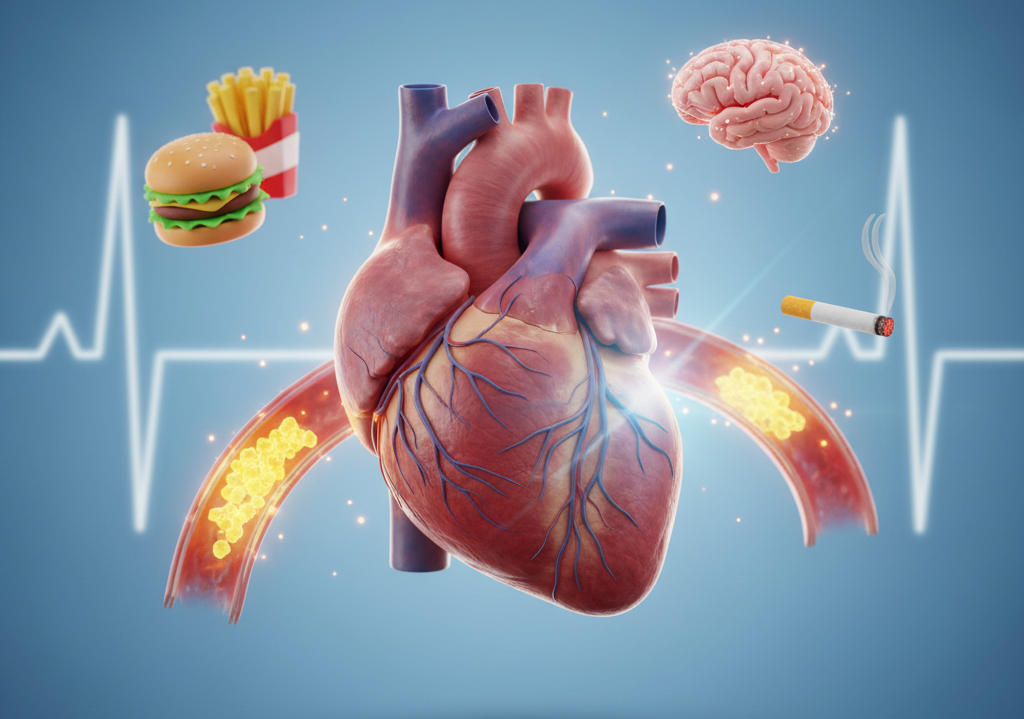
It includes conditions like heart failure, arrhythmias, and coronary artery disease that affect the structure and function of the heart. For the Smoking, obesity, high blood pressure, high cholesterol, and an unhealthy lifestyle are common causes.
Symptoms include chest pain, fatigue, dyspnea, and arrhythmias. The different types, causes, and warning signs must be understood for early detection and treatment.
Table of Contents
- Introduction
- Understanding How the Heart Works
- Common Types of Heart Disease
- Major Causes and Risk Factors
- Common Symptoms of Heart Disease
- Diagnosis and Medical Tests2
- Treatment Options for Heart Disease
- How to Prevent Heart Disease
- Living with Heart Disease: Tips for a Healthy Heart
- Conclusion
1. Introduction
It is the leading cause of death globally and to affect millions of people worldwide each year. The term covers many conditions of the structure and function of the heart, including coronary artery diseases and heart failure, arrhythmias, and congenital defects that may develop silently over time, often only symptomatic when the condition has reached an advanced stage.
It can Changes in the lifestyle, poor eating habits, stress, and lack of physical activity have contributed to increased cardiovascular conditions among men and women in younger age groups. While these statistics may sound alarming, most heart diseases are preventable if the right knowledge, early detection, and proactive lifestyle choices come into play.
2. Understanding How the Heart Works
- Understanding how the heart works is crucial to understanding heart disease. Approximately the size of a clenched fist, the human heart is a powerful organ.
- It circulates blood throughout the body, delivering nutrients and oxygen to tissues while eliminating waste and carbon dioxide.
- This ongoing process sustains life and keeps organs working. Heart disease arises when any of the arteries, valves, muscles, or electrical signals in this system malfunction.
- Serious complications like a heart attack or heart failure can result from even minor irregularities in blood flow or rhythm.
3. Common Types of Heart Disease
Heart disease is not for the single condition. Group of the disorders affecting different parts of the heart. Here are the most common types:
1) Coronary Artery Disease: This is the most common form of heart disease. CAD occurs when the coronary arteries that supply the heart muscle with blood become narrowed or blocked due to the buildup of plaque, known as atherosclerosis. This diminishes blood flow, causing chest pain, angina, and possibly even a heart attack.
2) Heart Attack (Myocardial Infarction): A heart attack occurs when a section of the heart becomes completely blocked from blood. The cells of the heart muscle begin to die without oxygen. Medical help should be sought right away, as delay causes permanent damage or death.
3) Heart Failure: Despite the name, heart failure doesn’t mean the heart stops working. Rather, it means the heart is unable to pump blood efficiently, leading to fatigue, fluid buildup, and shortness of breath. It is often the result of long-term damage from high blood pressure or coronary artery disease.
4) Arrhythmia: An arrhythmia occurs when the electrical impulses that ordinate heartbeats are interrupted. The heart can beat too fast (tachycardia), too slow (bradycardia), or irregularly. Some arrhythmias are harmless, while others can be life-threatening if not managed appropriately.
5) Congenital Heart Disease: These are structural defects of the heart, present at birth. They can include malformed valves, holes in the walls of the heart, or abnormal blood vessel connections. Thanks to advances in medicine, many individuals with congenital heart defects now lead full lives with appropriate medical treatment.
6) Cardiomyopathy: It is basically when the heart muscle either becomes weakened or thickens, thereby making each heartbeat pump blood with difficulty. It may be hereditary, an effect of chronic high blood pressure, abuse of alcohol, or infectious disease.
7) Heart Valve Disease: This is characterized by a heart valve defect- one or more of them can’t open or close the right way, and thus, blood doesn’t flow properly. The two most typical forms are valve stenosis and regurgitation.
4. Major Causes and Risk Factors
Heart diseases generally have several causes, some of which can be controlled while others cannot. The important thing is knowing these causes so that you will be able to initiate early prevention measures.
1) Lifestyle-Related Causes
- Unhealthy Diet: Diets high in saturated fats, trans fats, sodium, and sugar can increase cholesterol levels and raise blood pressure.
- Sedentary Lifestyle: This is one of the leading causes of obesity, diabetes, and hypertension.
- Smoking: Tobacco damages the lining of arteries, building up plaque.
- Excessive Alcohol: Overconsumption can raise blood pressure and weaken the heart muscle.
- Chronic Stress: The presence of long-term stress influences both high blood pressure and unhealthy coping mechanisms.
2) Genetic and Family History
This risk increases manyfold if heart diseases run in your family. Besides, genetic factors may affect cholesterol levels, blood pressure, and the assimilation of fats in the body.
3) Medical Conditions That Increase Risk
Certain health problems are known to increase the risk of developing heart disease:
- High Blood Pressure (Hypertension)
- High Cholesterol Levels
- Diabetes and insulin resistance
- Obesity or Overweight
- Sleep Apnea
- Chronic Kidney Disease
4) Age and Gender
The risk of heart disease increases with age. Men are generally more likely to develop heart disease early in life, whereas women develop it after menopause as their levels of estrogen decline.
5. Common Symptoms of Heart Disease
The feeling of having recognized the symptoms of heart disease in due time saves lives. Sometimes, individuals show no symptoms until a catastrophic event-for instance, a heart attack-may occur, so it’s important to know what to look for.
1) Early Warning Signs
- Chest pain, pressure, or discomfort
- Shortness of breath during activity or rest
- Fatigue and weakness
- Pain radiating to the arm, neck, jaw, or back
2) Advanced Symptoms
- Edema – swelling of the legs, ankles, or feet
- Dizziness or fainting
- Abnormal heart rate/uneven rhythm
- Persistent coughing or wheezing caused by fluid build-up
3) Symptoms in Women
The symptoms of heart disease can be somewhat different between women and men. Women are more likely to have:
- Nausea or vomiting
- Indigestion or discomfort of the abdomen
- Unusual fatigue Lightheadedness
These subtler signs tend to lead to delays in diagnosis for women, hence making awareness even more critical.
6. Diagnosis and Medical Tests
Early diagnosis that can make for all the difference in effective to manage and treate heart disease. Doctors diagnose heart health with combinations of medical history, physical examinations, and diagnostic tests.
1) Medical History and Physical Examination
Your symptoms, family history, way of life, and any underlying conditions you might have, like diabetes or hypertension, will be inquired about by your doctor.
2) Common Diagnostic Tests
- Electrocardiogram (ECG/EKG): measures electrical activity of the heart.
- Echocardiogram: Uses ultrasound to visualize the heart’s structure and motion.
- Stress Test: Records the heart’s performance during exercise.
- Blood Tests: These find cholesterol, triglycerides, and markers of heart damage.
- Coronary Angiography: This views blockages of coronary arteries by using dye and X-rays.
- CT or MRI scan: These provide very detailed pictures of the heart and surrounding structures.
These tests help doctors in the early detection of disease, monitor the progression, and choose the appropriate treatment plan.
7. Treatment Options for Heart Disease
1) Medications
Commonly prescribed medications include:
- Statins for cholesterol reduction
- Beta-blockers for heart rate and blood pressure control
- ACE inhibitors for the management of blood pressure
- Anticoagulants to prevent blood clots
- Diuretics to reduce fluid buildup
Take all medications as instructed and visit your doctor for regular follow-up visits.
2) Lifestyle Modifications: form the cornerstone for treatment and prevention of heart disease. It can adapt of the heart-healthy behavior can significantly improve outcomes and reduce complications.
8. How to Prevent Heart Disease
The following habit that can greatly reduce your risk:
1) Eat a Heart-Healthy Diet
Emphasize nutrient-dense foods, fiber, and healthy fats.
- Fruits and vegetables
- Whole grains
- Lean proteins: fish, chicken, beans
- Nuts and seeds
- Olive oil instead of butter
- Limit foods like red meat, sugary snacks, processed foods, and high-sodium items.
2) Regular Exercise required
Aim for at least 150 minutes of moderate exercise or 75 minutes of vigorous exercise each week.
3) Maintain a Healthy Weight
Obesity puts an added strain on the heart. Maintain the weight within a normal range that can help the lower blood pressure and reduce cholesterol level.
4) Manage Stress
Chronic stress can raise the risk of heart disease. Practice a relaxation technique like yoga, meditation, or deep breathing.
5) Regular check-ups on the health Regular blood pressure, cholesterol, and blood sugar screenings can catch early signs of trouble before they become serious.
9. Living with Heart Disease: Tips for a Healthy Heart
If you have heart disease, remember that is not the end, but you still capable of the living a full and active life.
There are some of the practical tips:
- Follow your doctor’s treatment plan carefully.
- Monitor your blood pressure and heart rate regularly.
- Eat a nutritious meal and stay well-hydrated.
- Avoid stress triggers and have adequate sleep.
- Go to cardiac rehabilitation if recommended
- Surround yourself with supportive family and friends.
A positive attitude and persistence with treatment can make a big difference in recovery and long-term heart health.
10. Conclusion
Heart disease continues to be one of the leading causes of illness and death around the world, yet it is one of the most preventable. Knowing the types, causes, symptoms, and prevention of heart disease will help you make positive choices for your heart today and in the future.
Making small daily choices to eat healthy foods, get exercise, not smoke, and manage stress contribute to big changes over time. Early detection through regular checkups can identify problems before they worsen.



Post Comment