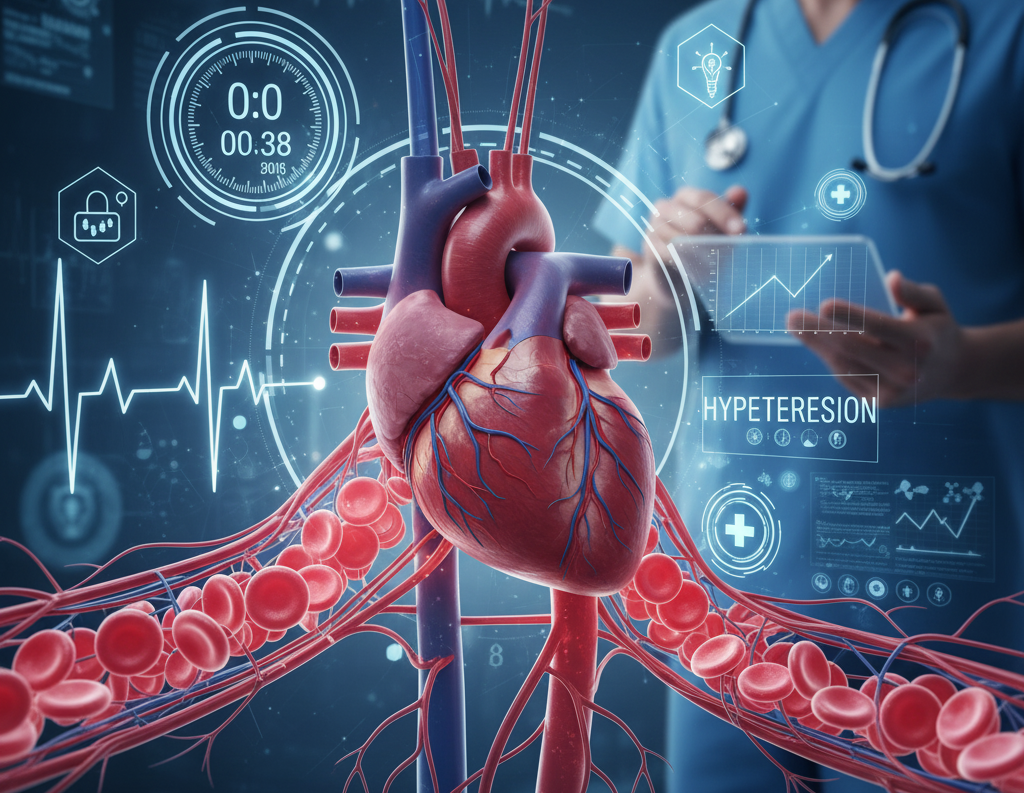
High Blood Pressure: Causes, Symptoms, and Solutions
High blood pressure is a common but dangerous condition affecting millions in the world. It can happens when the force of blood against the artery wall stays high all time to raise the chances of the heart disease, stroke, and kidney problems.
Most of the people with high blood pressure that have no symptoms, so check regularly is very important. It can managed and prevented through healthy lifestyle choices such as maintain a balanced diet, exercising regularly, manage the stress, and limiting salt and alcohol intake. Understand your blood pressure and take proactive steps today that can protect your heart and ensure a healthier future.
Table of Contents
- Introduction
- What Is High Blood Pressure
- Causes and Risk Factors
- Common Symptoms and Warning Signs
- Health Risks Associated with High Blood Pressure
- Diagnosis and Blood Pressure Levels Explained
- Effective Treatment Options
- Natural Ways to Lower Blood Pressure
- Prevention and Long-Term Management
- Conclusion
1. Introduction
High blood pressure, or hypertension, is among the most prevalent but least recognized diseases in the world today. It is also termed the “silent killer” because it rarely has symptoms that may result in harmful effects to health like heart attacks, stroke, and kidney impairment.
In today’s fast-moving world, where stress, processed foods, and a sedentary way of life become the order of the day, high blood pressure has turned into a global epidemic. The World Health Organization estimates more than 1.2 billion people around the world suffer from hypertension, and many don’t even know they have it.
Understanding what high blood pressure is, what the causes are, and how to control it can literally save your life. In this comprehensive guide, we will take a look at everything you need to know about hypertension, from causes and symptoms through treatment and prevention to natural management methods for taking charge of your heart health.
2. What Is High Blood Pressure
High blood pressure is when the force of blood against your artery walls is consistently too high. It is when pressure in them increases and stays high that it places a burden on your heart and arteries, potentially creating serious complications over a period of time.
How It’s Measured
The measurement of blood pressure utilizes two numbers:
- Systolic pressure (top number): The pressure when your heart beats.
- Diastolic Pressure (Bottom Number): The pressure when your heart rests between beats.
Here’s a quick rundown:
- Normal: Less than 120/80 mmHg
- Elevated: 120–129 / less than 80 mmHg
- Hypertension Stage 1: 130–139 / 80–89 mmHg
- Hypertension Stage 2: 140 or higher / 90 or higher
- Hypertensive Crisis: 180/120 mmHg or higher Even slightly raised levels, if left unchecked, may cause damage. That is why regular monitoring is of great importance.
3. Causes and Risk Factors
High blood pressure does not usually appear overnight; rather, it develops over time due to a combination of genetic, lifestyle, and environmental factors.
1) Genetic: Family history of hypertension, inheriting genes that impact the regulation of salt, fluid, or blood vessel constriction.
2) Diet: High sodium (salt) intake, saturated fats, and processed foods, because excessive salt intake causes the body to retain fluid, which results in increased blood volume and increased blood pressure.
3) Lack of Exercise: Sedentary lifestyles weaken the heart, impairing circulation and resulting in higher blood pressure.
4) Obesity: Excess weight places greater demands on the heart, raising blood pressure.
5) Stress: The Chronic stress can triggers hormones that constrict blood vessels and raise heart rate, resulting in temporary pressure spikes.
4. Common Symptoms and Warning Signs
High blood pressure is often symptomless, but if it reaches hazardous levels, you might experience:
- Persistent headaches
- Blurred vision
- Dizziness or fatigue
- Shortness of breath
- Chest pain
- Nosebleeds
Irregular heartbeat As symptoms are rare, many people can have high blood pressure for years without knowing it until serious complications arise. This is one of the reasons why routine checkups are so vital.
5. Health Risks Associated with High Blood Pressure
Uncontrolled high blood pressure silently damages your body for years before symptoms appear. Key risks include the following:
1) Heart Disease: High blood pressure forces your heart to work harder, and in that process, thickens the heart muscle, increasing the risk of heart failure.
2) Stroke: An artery rupture or blockage prevents blood carrying oxygen from reaching the brain; thus, a stroke occurs.
3) Kidney Damage: The kidney can filter the waste products from your blood. High pressure can damage their vessels and lead to chronic kidney disease.
4) Vision Problems: Hypertension can weaken the small blood vessels in your eyes, leading to blindness or damage to your retina.
5) Cognitive Decline: Studies have found that long-term high blood pressure is associated with dementia and problems with memory in later life.
6. Diagnosis and Blood Pressure Levels Explained
Healthcare providers that employ for a blood pressure monitor, which confirms high pressure readings taken at different times.
- Diagnostic Methods: Manual or digital blood pressure tests during doctor visits.
- 24-hour ambulatory monitoring to measure fluctuations throughout the day.
- Home blood pressure monitors for self-checking and tracking progress.
- Doctors may also order blood tests, urine tests, or ECGs to evaluate damage to other organs that can occur due to hypertension.
7. Effective Treatment Options
The treatment of the hypertension depends on the severity and underlying cause. The goal is to lower pressure to safe levels and prevent complications.
1) Medication
One or more of following are often prescribed by doctors:
- Diuretics: Assist in eliminating excess salt and water.
- ACE inhibitors: Dilate blood vessels by impeding the action of hormones.
- Beta-blockers: Reduce heart rate and workload.
- Calcium channel blockers: prevent arteries from tightening.
Take the medications as recommended and avoid abrupt discontinuation without seeking medical advice.
2) Lifestyle Changes
- Even on medication, changes in lifestyle are essential.
- Reduce salt intake to less than 2,300 mg per day.
- Eat more fruits, vegetables, and whole grains.
- Maintain a healthy weight.
- Limit alcohol intake, and stop smoking.
Do exercise regularly: at least 30 minutes daily. Manage your stress through meditation, yoga, or relaxation exercises.
8. Natural Ways to Lower Blood Pressure
Many of the peoples can prefer using natural remedies alongside medication. Here are a proven and with the safe methods:
1) Following the DASH Diet
The Dietary Approaches to Stop the DASH diet is clinically proven the lower blood pressure. It can emphasizes:
- Fruits and vegetables
- Whole grains
- Lean proteins
- Low-fat dairy
- Nuts and seeds, and reduces intakes of red meat, salt, and sugar.
2) Regular physical activity: Exercise strengthens the heart, helping it pump blood more efficiently. Try walking, swimming, or cycling at least 5 times a week.
3) Reduce Sodium Intake: Reduce your intake of processed and packaged foods that contain hidden salt. Flavor foods instead with herbs and spices.
4) Manage Stress Naturally: Chronic stress spikes blood pressure. Try deep breathing, yoga, mindfulness, or time spent in nature.
5) Increase Potassium Intake: Potassium balances sodium. Foods containing a great amount of potassium include bananas, oranges, spinach, and avocado.
6) Limit Caffeine and Alcohol: Both can raise blood pressure temporarily; the key is moderation.
7) Get Enough Sleep: Poor sleep heightens stress hormones and raises blood pressure. Aim for 7–8 hours each night.
9. Prevention and Long-Term Management
It is easier to prevent the high blood pressure that to treat it. Consistent healthy and lifestyle habits that will not only keep your numbers, but the healthy range but also protect your heart.
1) Regular Monitor: If you are at risk, than check your blood pressure at least once a month. It is too easy with home monitoring devices.
2) Healthy Weight Management: Even for a small weight loss can get big difference in the blood pressure.
3) Heart-Healthy Eating: Follow the Mediterranean or DASH diet, which supports heart and vascular health.
4) Exercise Routine: Include aerobic and strength exercises. Aerobic exercises, such as brisk walking, yoga, and cycling, enhance circulation and the functioning of the heart.
5) Hydrate: Drink plenty of water to maintain healthy blood volume and support the kidneys.
6) Avoid Smoke: Every cigarette momentarily shrinks blood vessels and surges pressure. Quitting will vastly improve heart health.
7) Stress Reduction: Chronic stress is a leading contributing agent in hypertension. Meditation, hobbies, or quality time with loved ones can be helpful.
8) Visits to the Doctor: Regular check-ups are necessary, even when feeling fine, for early detection and ongoing management.
10. Conclusion
While high blood pressure that can be a “silent killer,” and it is also a condition that you can prevent and control with heart-healthy habits and a balanced diet, exercise, and stress management. Your best weapon is knowledge: knowing your blood pressure numbers and taking action early can help prevent serious complications.



Post Comment