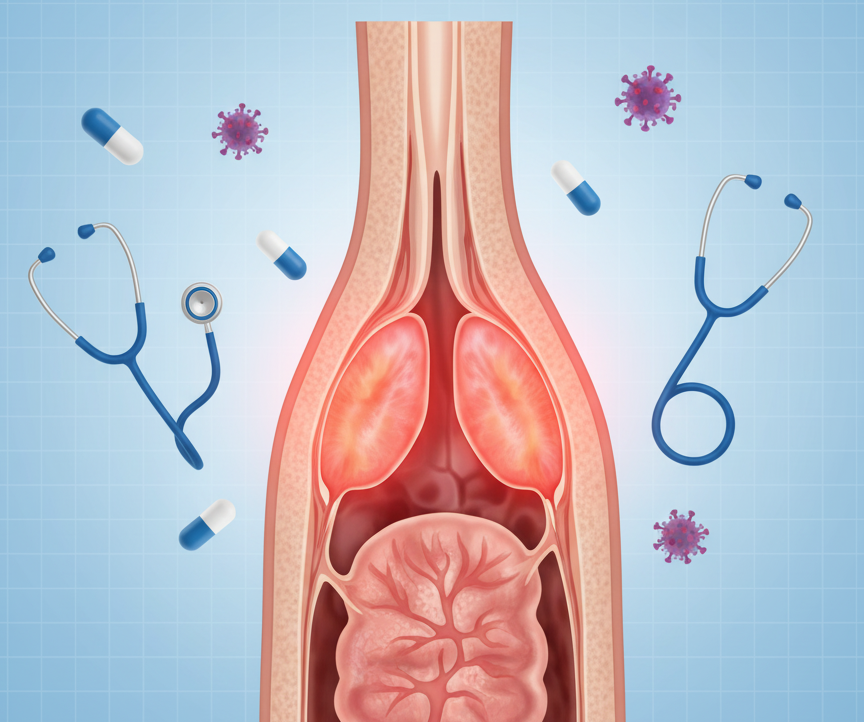
Throat Infection: Causes, Symptoms, and Smart Treatments
Throat infections are a prevalent health problem that can lead to throat pain, swelling, and a sore throat. Causes can range from viral and bacterial infections to allergies or environmental irritants. Knowing the causes can aid in selecting the appropriate treatment and prevent reoccurrence. It can include a sore or scratch throat, swollen glands, fever, and hoarseness for everything from home remedies such as warm saltwater gargles to medical interventionsfor the rapid recovery.
Table of Contents
- Introduction
- What Is a Throat Infection?
- Common Causes of Throat Infections
- Recognizing the Symptoms
- Diagnosis and Medical Tests
- When to Seek Urgent Care
- Conclusion
1. Introduction
A throat infection is one of the most common health problems among all ages, from children to the elderly, and can range from a minor irritation that lasts a day or two to a condition that makes it almost impossible to swallow. The throat is a vital passageway between the mouth, nose, and lungs that facilitates breathing, speech, and swallowing. Because the throat is exposed to the environment, it is prone to irritants, allergens, bacteria, and viruses, which can lead to infection.
Throat infections are often misunderstood to be just a “sore throat,” but they can be indicative of various underlying issues. Infections can be minor and self-limiting, or they may require medical treatment or even antibiotics. This comprehensive guide will explore the causes, symptoms, treatments, and preventative measures for various throat infections.
2. What Is a Throat Infection?
A throat infection is an inflammation of the tissue in throat that is caused by infectious agents or by environmental factors.
Types of the Throat Infections
- Pharyngitis: Inflammation of the pharynx (the back of the throat).
- Tonsillitis: Infection of the tonsils, which are lymphoid tissues that are part of the immune system that protects against infections.
- Laryngitis: Inflammation of the larynx or voice box, which can cause hoarseness or loss of voice.
Acute vs. Chronic Throat Infections
Acute infections are sudden in onset and short-lived (less than two weeks), whereas chronic infections recur frequently or persist for long periods (months or years), often caused by smoking, acid reflux, or constant exposure to irritants.
A throat infection may be viral (the most common), bacterial, or sometimes fungal, which is important to identify for proper treatment.
3. Common Causes of Throat Infections
This is Knowing the causes of throat infections can aid in prevention and treatment, which can be categorized as infectious and non-infectious causes.
3.1 Viral Infections
The most common viral culprits are:
- Rhinovirus and coronavirus: responsible for the common cold, which often results in throat irritation
- Influenza virus: causes more severe symptoms, such as fever, sore throat, and body aches
- Epstein-Barr virus (EBV): can cause mononucleosis (“mono”), which causes extreme fatigue and throat painAdenovirus: can cause cold-like symptoms with swollen lymph nodes
3.2 Bacterial Infections
Bacterial throat infections are less frequent but often more severe.
- Group A Streptococcus: Probably the best known bacterial cause, causing painful swallowing, fever, and white patches on the tonsils.
- Corynebacterium diphtheriae: causes diphtheria, a rare but serious infection characterized by a gray coating on the throat.
- Mycoplasma pneumoniae: Occasionally causes a low-grade, chronic throat irritation.
3.3 Fungal Infections
Candida albicans for oral thrush can spread to the throat, causing pain and swallowing problems in immunocompromised individuals.
3.4 Environmental and Lifestyle Factors
- Smoking and tobacco use: Chronic irritation of the throat.
- Pollution and allergens: Dust, chemicals, and seasonal pollen can trigger the throat.
- Dry air: Especially in winter, which dries out mucous membranes and predisposes the throat to infection.
- Acid reflux (GERD): Reflux of stomach acid into the throat.
4. Recognizing the Symptoms
Throat infection depend on the cause but most have common features and early identification is necessary for proper treatment.
4.1 General Symptoms Sore or scratch throat
- Pain or difficulty swallowing
- Hoarseness or change in voice
- Redness and swelling in the throat
- Swollen lymph nodes in the neck
- Mild fever or chills
- Headache and body aches
4.2 Specific Symptoms
- White patches or pus: Usually means a bacterial infection.Cough and runny nose: More characteristic of viral infections.
- Loss of voice: May indicate laryngitis.
- Fatigue and muscle pain: Often seen in viral infections such as the flu or mono.
4.3 Symptoms in Children
In children, high fever, drooling (if swallowing is too painful), and loss of appetite are common, and pediatric throat infections must be closely monitored because complications can occur rapidly.
5. Diagnosis and Medical Tests
The Throat infection can be diagnosed and treated at home; However, persistent or severe case needs medical evaluate.
- Physical Exam: The doctor can check the throat for redness, swelling or pus for the lymph nodes, and breathing and swallow.
- Throat Swab Test: A sample from the back of the throat is collected using a sterile cotton swab to test for Group A Streptococcus or other pathogens; results may be available within minutes or a few days.
- Blood Tests: If a viral infection such as mononucleosis or another systemic illness is suspected for a blood test identifies antibodies or white blood cell abnormalities. In rare cases, imaging tests such as X-rays or CT scans may be performed if abscesses or other complications are suspected.
The correct diagnosis allows the patient to receive the appropriate treatment, even if antibiotics are not indicated.
6. When to Seek Urgent Care
Although most throat infections are relatively mild, untreated or severe cases can result in serious complications.
When to See a Doctor
- Seek prompt medical attention if you have:
- Symptoms lasting more than 7–10 days
- A high fever (over 101°F or 38.3°C)
- Trouble breathing or swallowing
- Swollen neck or jaw
- Blood in the saliva or severe hoarseness
Early medical treatment helps speed recovery and minimize the potential for long-term health problems.
7. Conclusion
The throat is a very sensitive and vital part of the body, as it is the entryway for air, food, and communication; it is often ignored until pain or discomfort occurs. Viral, bacterial, and environmental infections can be prevented by practicing good hygiene and a healthy lifestyle and being aware of your environment.
With the uses of common sense and preventive habits, that you can apply contemporary medical knowledge to keep your throat strong, healthy, and infection free all year round.



Post Comment