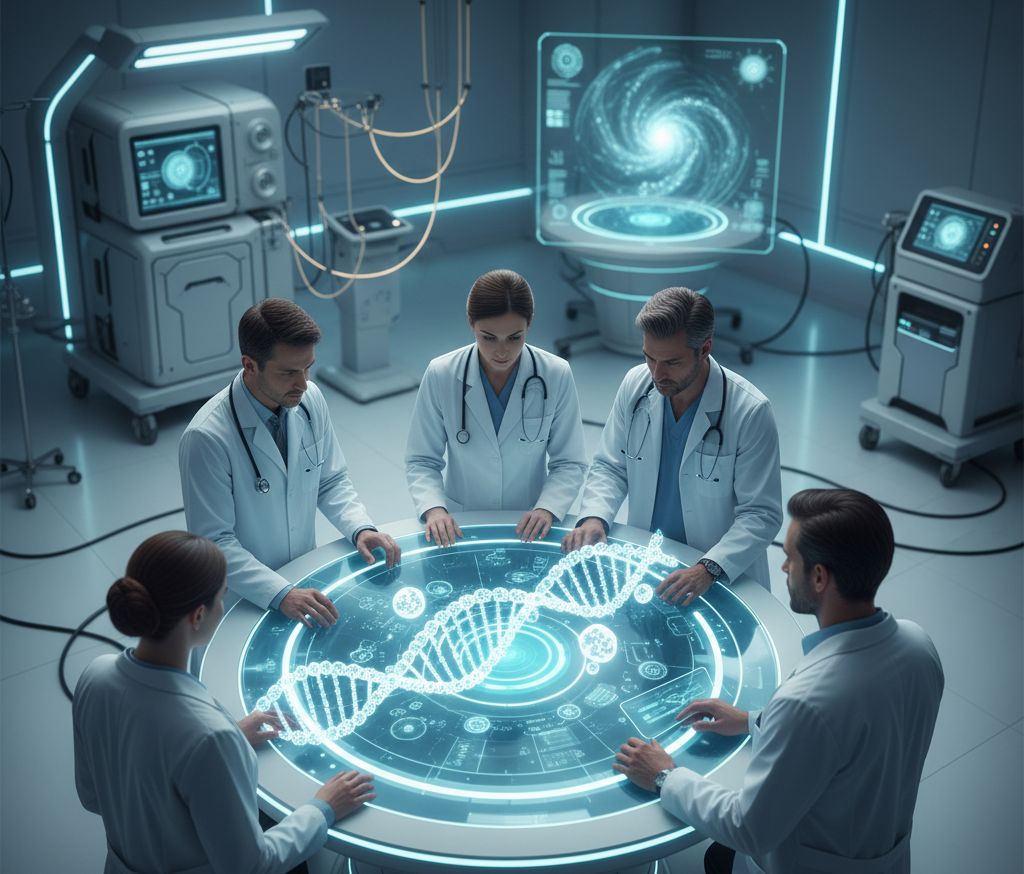
Treatment for Cancer
From Conventional Surgery, Chemotherapy, and Radiotherapy to Novel Immunotherapy, Targeted Therapy, and Gene Editing, presents the most recent progress in oncology. This review article discusses how precision medicine and biotechnology are transforming the management of cancer, providing superior, personalized, and less toxic treatments.
It can also describes for some of the supportive approaches which you can promote patients’ comfort, such as nutrition, rehabilitation, and care for mental health. Given the insights into current research and that of global medical organizations, this piece gives a detailed view into today’s cancer treatment landscape and the promising innovations shaping the future of oncology.
Table of Contents
- Introduction
- Understanding Cancer: A Brief Overview
- Traditional Cancer Treatments
- Modern and Targeted Cancer Therapies
- Integrative and Supportive Therapies
- Challenges in Cancer Treatment
- The Future of Cancer Treatment
- Conclusion
1. Introduction
Despite the enormous progress of science, oncology still represents one of the biggest challenges to human intellect, and cancer is among the top causes of death in the world. According to the World Health Organization, cancer is responsible for almost 10 million deaths every year, making it the critical point of global health.
Cancer treatment has dramatically changed over the last decades. From the first surgical removals of visible tumors to today’s targeted molecular therapies and immunotherapies, medicine has moved away from one-size-fits-all approaches to precision oncology treatments that are specifically tailored to a patient’s genetic and biological profile.
This article discusses the broad categories of cancer treatment, recent innovations, and future directions based on the latest research and clinical developments in the field.
2. Understanding Cancer: A Brief Overview
The Cancer is a disease for not to controlled cellular growth. For the cell division is strictly control by genes that can signal cells to grow, divide, or die. Genetic mutations has induced by radiation, environmental toxins, infections, or inherited defects can perturb this balance. As a result, cells abnormally proliferate, then form tumors that invade surrounding tissues or spread (metastasize) via the circulatory or lymphatic systems.
More than 200 different types of cancer exist, named based on the organ or tissue where the disease begins. The most frequent cancers are breast, lung, colorectal, prostate, and liver cancer. All these exhibit special molecular features, and their treatment should be highly individualized.
3. Traditional Cancer Treatments
3.1 Surgery
Surgery was one of the first effective treatments for cancer and remains a cornerstone of care. Surgery can be used to remove tumors completely or reduce tumor burden to improve outcomes from adjunct therapies. Modern surgical oncology benefits from minimally invasive techniques like laparoscopic and robotic-assisted surgery, which reduce recovery times and complications.
However, surgery tends is to be effective only for the tumors. When the cancer has already metastasized for the surgery is often combined with systemic treatments like chemotherapy or radiation.
3.2 Chemotherapy
Chemotherapy uses cytotoxic drugs to kill rapidly dividing cells. Such agents interfere with DNA replication or cellular metabolism; for this reason, they are effective against cancer but also harmful to healthy fast-growing cells, including hair follicles and bone marrow.
Common classes of chemotherapy include:
- Alkylating agents, such as cyclophosphamide
- Antimetabolites (e.g., 5-fluorouracil)
- Anthracyclines (e.g., doxorubicin)
- Mitotic inhibitors (e.g., paclitaxel)
It is used to treat: chemotherapy, which can be curative, adjuvant-after surgery, or palliative-to relieve symptoms. Despite for the side effects, it remains essential for many cancers.
3.3 Radiation Therapy
Radiation therapy uses high-energy beams that kill cancer cells by destroying the DNA inside them. Advancing technology, such as intensity-modulated radiation therapy and proton therapy, allows a more precise delivery and minimizes damage to healthy tissues.
The American Cancer Society estimates that nearly 50% of all cancer patients are treated with radiation, either alone or in conjunction with surgery or chemotherapy.
4. Modern and Targeted Cancer Therapies
4.1 Immunotherapy
Immunotherapy revolutionized cancer treatment by harnessing the body’s immune system in the fight against tumors. The main types include:
- Checkpoint inhibitors, including pembrolizumab and nivolumab, block the proteins like PD-1 or CTLA-4 that suppress immune responses, allowing T-cells to attack cancer.
- By provoking an immune response to tumor antigens, vaccines against cancer (such as the HPV vaccine) either prevent or treat the disease.
According to study by the National Cancer Institute that can immunotherapy has produced unmatched remissions in cancers that were once considered incurable, such as advanced melanoma and some leukemias.
4.2 Targeted Therapy
Targeted therapy focuses on the molecules that play a crucial role in cancer development and survival. In contrast to chemotherapy, which attacks all types of fast-growing cells, targeted drugs block only pathways critical to cancer cells.
This approach embodies a milestone in precision medicine, as molecular diagnostics and genomic profiling guide treatment.
4.3 Hormone Therapy
Some cancers, including breast, ovarian, and prostate cancers, depend on hormones to grow. For The purpose of hormone therapy is to either block the hormone production or stop the hormones from binding to receptors.
Examples include:
- Tamoxifen for estrogen receptor-positive breast cancer.
- Androgen-deprivation therapy in the treatment of prostate cancer.
4.4 Stem Cell Transplantation
Bone marrow or stem cell transplants replace damaged hematopoietic cells following high-dose chemotherapy or radiation. They are required for treatment of the blood cancers, including leukemia, lymphoma, and multiple myeloma. Advances in haploidentical transplants and cord blood banking have expanded the eligibility for these procedures for patients without fully matched donors.
5. Integrative and Supportive Treatments
While the scientific breakthroughs for remain critical, quality of life issues are no less significant in cancer care. Integrative oncology focuses on combining medical treatment with supportive care strategies.
5.1 Side Effect Management
Cancer treatments can cause symptoms such as fatigue, nausea, pain, and emotional distress. Modern symptom management encompasses:
- Pharmacologic interventions (antiemetics, analgesics)
- Rehabilitation Programs
- Psychological support
5.2 Nutrition and Exercise
According to the research from the American Institute for Cancer Research, balanced nutrition combined with moderate physical activity will enhance treatment outcomes and reduce recurrence risks.
5.3 Complementary Therapies
The Mindfulness, acupuncture, yoga, and meditation can help deal with stress and increase resilience. While they are not considered a replacement for medical therapy, they do contribute to better well-being when applied responsibly.
6. Challenges in Cancer Treatment
In spite of the advances made for the treatment of cancer still faces major challenges:
- Resistant drugs: Cancer cells adapt to avoid therapies; hence, it needs combination or sequential methods.
- The Tumor heterogeneity means that genetic diversity in tumors complicates uniform treatments.
- Accessibility and Affordability: The high costs for new therapies limit global access, especially in the low and middle income countries.
- Ethical issues: Newer treatments, such as gene editing, raise a number of ethical and regulatory questions regarding safety, consent, and long-term impact.
7. The Future of Cancer Treatment
- Precision medicine, data-driven insights, and the integration of biotechnology will define the next era of oncology. Simple blood tests may soon detect cancers earlier thanks to liquid biopsies. Multi-omics approaches integrate genomic, proteomic, and metabolomic data that will serve to personalize therapies.
- AI-driven treatment design will enable quicker and more accurate therapy development. This can be accomplished in preventive oncology through vaccines, genetic screening, and lifestyle interventions.
- It will aim at reducing incidence altogether. The Researchers, clinicians, and technologists working for collaboration will drive faster transformation toward a future where the cancer is a chronic, manageable disease, or even preventable.
8. Conclusion
- The Cancer treatment has entered a golden age of discovery for moving from aggressive general therapies to precise, targeted ones that address the disease at its molecular core.
- From breakthroughs in immunotherapy for the innovations in gene editing, progress is nothing short of remarkable and ongoing. There are the challenges regarding affordability, accessibility, and ethical oversight.
- Continued investment in research, education, and health infrastructure is required. With the medical science forging ahead for a real hope is born that future generations may well live in a world where cancer is no longer a deadly diagnosis but a conquerable condition managed with precision, compassion, and innovation.


Post Comment