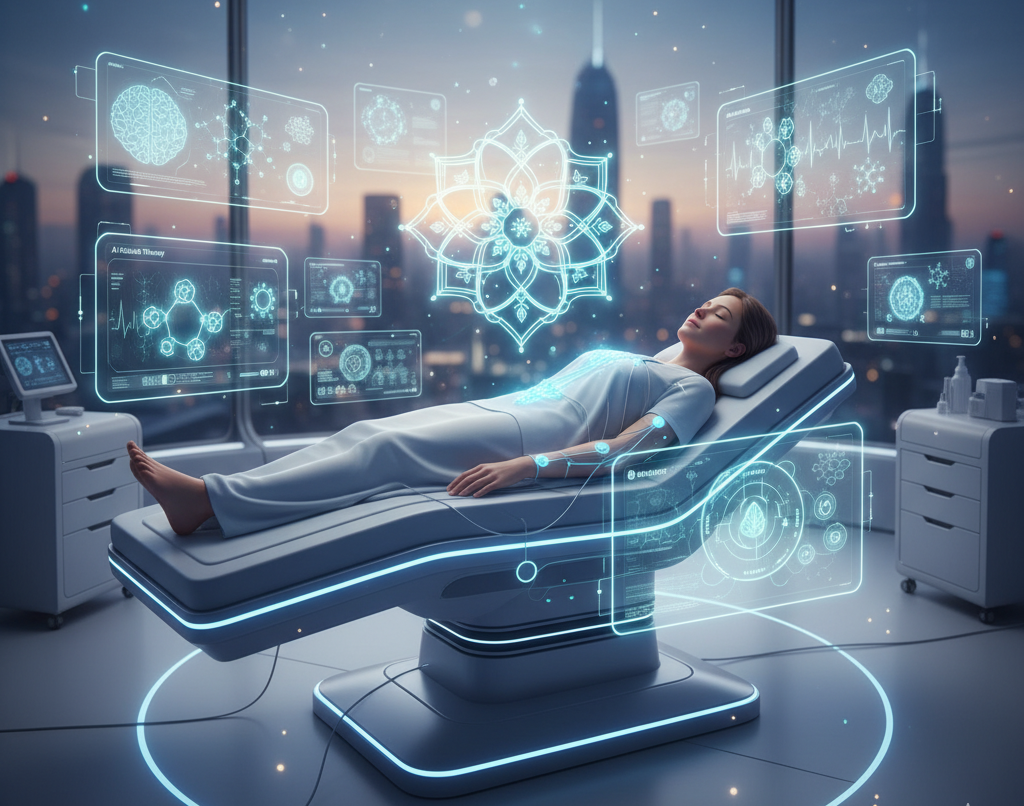
Pain Management For The Future of Healing Without Suffering
It discusses how modern science, technology, and holistic practices are revolutionizing the approach to pain, including the use of AI-driven diagnostics, non-invasive therapies, personalized medicine, and mindfulness-based interventions that provide effective pain relief without the need for dependence or discomfort, and the transition to a more compassionate, patient-centered healing model that focuses on holistic care of the body and mind.
Table of Contents
- Introduction
- Understanding the Types of Pain
- The Evolution of Pain Management: From Medication to Mindfulness
- The Role of Technology in Pain Relief
- Holistic and Integrative Healing Methods
- Accessibility, Awareness, and Ethics
- Future of Pain Management: Innovations on the Horizon
- Conclusion
1. Introduction
Pain is perhaps the most universal human experience, and the interaction between the body and the mind is a complex one. Pain acts as a warning, a signal of harm, and often a constant companion for those who suffer from chronic illness or injury.
As medicine, neuroscience, and technology progress, however, the way we manage pain is changing rapidly from a focus on numbing pain to understanding, controlling, and healing it, and from generalized care to personalized, technologically advanced, and holistic healing, with the goal of a world where recovery need not be accompanied by unnecessary pain.
2. Understanding the Types of Pain
It can be classified into three main types:
- Acute Pain: Sudden and temporary, typically due to injury or surgery, which serves as a protective alarm.
- Chronic Pain: Long-lasting pain that can be caused by arthritis, nerve damage, or fibromyalgia.
- Neuropathic Pain: Pain caused by nerve damage or malfunction that can cause burning, tingling, or shooting sensations.
3. The Evolution of Pain Management: From Medication to Mindfulness
The treatment of pain has come a long way from ancient times.
- When civilizations such as the Egyptians, Chinese, and Greeks employed natural herbs, massage, and spiritual practices to ease pain to the modern opioid epidemic.
- The introduction of chemical analgesics, such as morphine, aspirin, and synthetic opioids in the 19th and 20th centuries, which transformed pain treatment, also brought about dependence crises worldwide.
- Today, pain management focuses on the mind-body connection, and therapies such as mindfulness meditation, yoga, cognitive behavioral therapy (CBT), and biofeedback are gaining recognition.
4. The Role of Technology in Pain Relief
The future of pain management is smarter, safer, and more personalized, thanks to recent advances in technology, such as artificial intelligence (AI), neurostimulation devices, wearable pain trackers, and digital therapeutics.
- Wearable pain trackers monitor pain patterns, muscle activity, and stress levels in real time, allowing patients and their doctors to better understand what triggers pain and allowing apps to predict flare-ups and suggest coping strategies.
- Neurostimulation devices, including spinal cord stimulation (SCS) and transcutaneous electrical nerve stimulation (TENS), send electrical impulses to disrupt pain signals before they reach the brain, providing relief for chronic back pain, neuropathy, and post-surgical pain.
- Artificial intelligence (AI) and machine learning use large datasets from patient histories to develop individualized pain management plans that deliver the most effective treatment with minimal side effects.
- Predictive algorithms can also anticipate chronic pain episodes and suggest appropriate interventions.
5. Holistic and Integrative Healing Methods
Holistic pain management goes beyond symptom management to nourish the body, mind, and spirit.
- Nutrition and Anti-Inflammatory Diets: Chronic pain is often related to inflammation, and anti-inflammatory diets rich in omega-3 fatty acids, antioxidants, and plant-based foods reduce pain and promote healing.
- Physical Therapy and Movement: Exercise, when done correctly, improves range of motion, strengthens muscles, and triggers the release of endorphins, which are the body’s natural painkillers.
- Acupuncture and Traditional: Acupuncture releases endorphins and promotes relaxation by stimulating specific body points to restore Qi, or energy flow; massage therapy and chiropractic adjustments have similar effects on mental and physical health.
6. Accessibility, Awareness, and Ethics
- Accessibility: Millions are not able to receive pain care because of finances, healthcare inequities, or geographic isolation, which are being addressed through telemedicine and policy reform, but inequities persist.
- Stigma and Misunderstanding: People who have suffered from chronic pain often face skepticism from others, especially when their pain has no apparent cause, and education of healthcare professionals and the public is key to changing perceptions.
- Global Inequality: In many regions of the world, even basic pain relief such as morphine is unavailable or heavily regulated out of a fear of misuse, resulting in needless human suffering that is being addressed through global health initiatives.
- Ethical Dilemmas: A balance between treating the pain and the possibility of addiction is an ethical and medical challenge; responsible prescribing, patient education, and monitoring are imperative.
- Global Inequality: In much of the world, even basic pain relief-like morphine-is unavailable or highly restricted due to fear of its abuse, leading to unnecessary human suffering, which is being addressed through global health initiatives.
7. The Future of Pain Management: Innovations on the Horizon
The next decade is set to see a revolution in the perception of pain and pain management, as emerging technologies, scientific discoveries, and integrative care models lead the way to a world with healing without suffering.
- Smart Implant and Bio-electronic Medicine: Implant that communicate with the nervous system in real-time will dynamically adjust pain relief, reducing reliance on medication.
- AI will continue to customize treatment plan for based on real-time patient data, genetics, and behavioral responses to precision pain management.
- Future pain care will likely integrate the best of modern medicine and traditional healing, recognizing that balance, not suppression, results in long-term health.
8. Conclusion
The progression from ancient herbal treatments to modern treatments using artificial intelligence (AI) for pain management illustrates the continuous search for compassion and understanding in medicine, and how the combination of the best of modern medicine, the wisdom of holistic traditions, and the insights of psychology and neuroscience will help us heal without suffering.
As we head into an age where technology is helping doctors and patients alike, pain will no longer control lives, and the future of healing is not just about pain relief but about finding comfort, balance, and resilience in human experience.



Post Comment