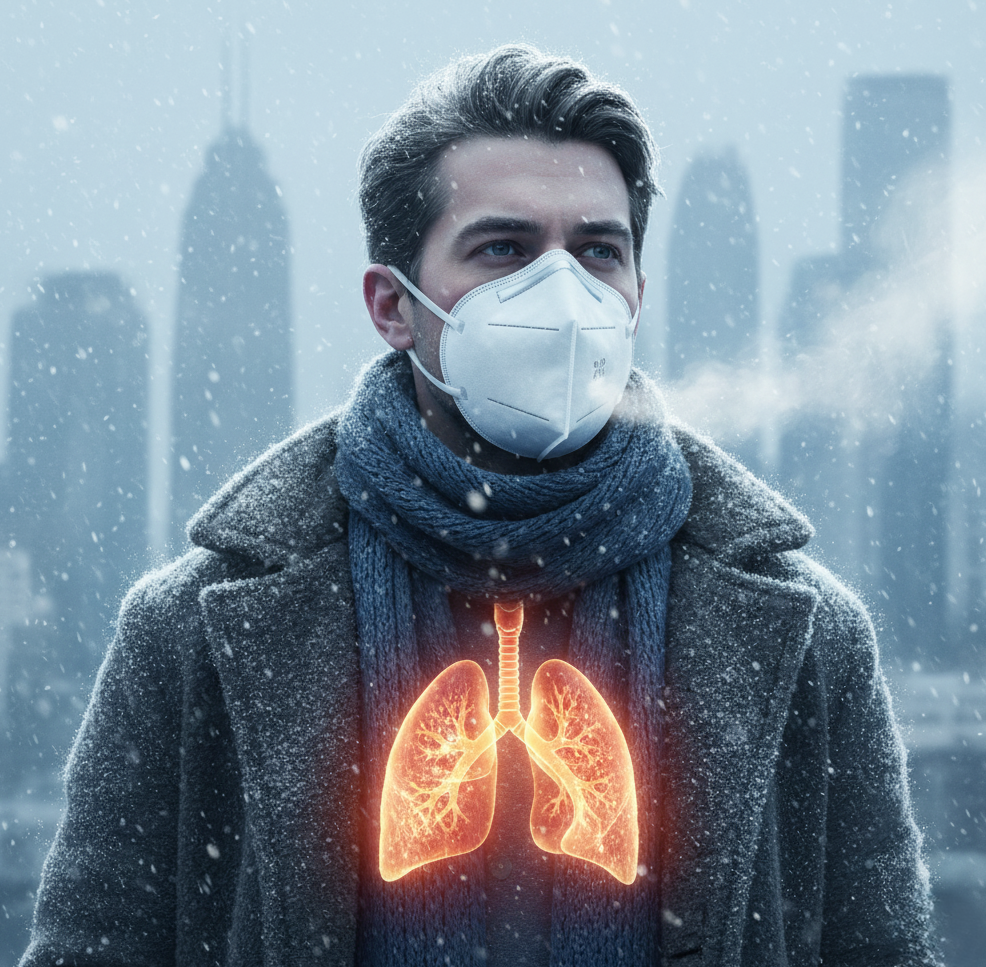
Protecting Your Lungs from Cold Air and Pollution
This blog discuss the environmental factors such as cold weather, smog, and airborne toxins can affect your lungs and what you can do to protect them, including tips on wearing masks, using humidifiers, and maintaining indoor air quality to strengthen immunity.
Table of Contents
- Introduction
- How Cold Air and Pollution Affect the Lungs
- Common Respiratory Issues Caused by Cold and Smog
- Identifying Early Warning Signs of Lung Irritation
- Practical Advice to Protect Your Lungs Outside
- Practices for Stronger Lungs Protective Gear and Devices You Can Use
- Conclusion
1. Introduction
We take our lungs for granted; they work tirelessly to bring oxygen into the body and remove carbon dioxide every minute of every day, but we don’t often think about them until there is a problem. Our lungs are the immediate connection between the body and the environment, and if that air is filled with cold temperatures, pollutants, or allergens, it can have a negative impact on respiratory health.
Air pollution and extreme weather conditions are major threats to lung health in the modern world, and smog, industrial emissions, vehicle exhaust, and cold air can irritate the delicate tissues of the lungs, causing pain or leading to chronic respiratory diseases in those with asthma, chronic obstructive pulmonary disease (COPD), and compromised immune systems.
2. How Cold Air and Pollution Affect the Lungs
2.1) Cold Air: The Unseen Aggravant
Cold, dry air can irritate airways and cause them to narrow because it does not contain moisture that is present in warm, humid air, which is less irritating to airways. Cold air can trigger coughing, shortness of breath, and a burning feeling in the throat or chest.
Cold air can affect the body’s natural defenses. The nose and upper airways warm and humidify air before it reaches the lungs, but in extreme cold, this function is impaired.
What happens?
The airways constrict, mucus production increases, and the potential for inflammation increases, creating a more hospitable environment for infections.
2.2) Air Pollution: The Modern-Day Aggravant
Air pollution is a combination of particulate matter (PM2.5 and PM10), nitrogen dioxide (NO2), sulfur dioxide (SO2), and carbon monoxide (CO).
Fine particles in polluted air are especially hazardous because they can evade the body’s filters and settle in the alveoli of the tiny air sacs where oxygen exchange takes place.
- Chronic bronchitis
- Asthhma exacerbations
- Decreased lung function
- Lung cancer
Cold air and Pollution
The combination of cold air and pollution can be particularly harsh, because on cold days, pollution levels often rise as temperature inversions trap pollutants close to the ground, meaning you inhale cold and polluted air.
Cold air and pollution can weaken lung defenses, increasing your vulnerability to infections, wheezing, or chronic respiratory distress.
3. Common Respiratory Issues Caused by Cold and Smog
Some of the most common are:
- Asthma: Cold air and pollutants are asthma triggers and cause inflammation of the airways, bronchial muscle spasm, and difficulty breathing.Asthmatics may have more frequent exacerbations in the winter or on high-pollution days.Chronic obstructive pulmonary disease: COPD can be acutely worsened by exposure to poor air quality and cold air, which worsens inflammation and leads to more rapid loss of lung function.
- Bronchitis: Exposure to cold or contaminated air can lead to swelling and increased mucus production in the bronchial tubes, causing cough, chest tightness, and fatigue.
- Pneumonia and respiratory infections: Cold weather suppresses the immune system, allowing viruses and bacteria to flourish; pollutants further increase infection.
- Allergic reactions: Pollutants include allergens such as dust, pollen, and chemicals that may trigger or exacerbate allergic rhinitis and sinusitis.
- Reduced lung capacity: Over time, exposure to pollution and repeated irritation from cold air can make the lungs less elastic and efficient, which can impair oxygen absorption.
4. Identifying Early Warning Signs of Lung Irritation
Ignoring the early warning signs that your lungs are under stress can result in more serious issues. A persistent cough, particularly if it is dry or worsens in cold or polluted environments, is one of the main symptoms to be aware of.
- Breathing difficulties following minimal exertion are known as shortness of breath.
- A whistling sound produced during breathing is called wheezing. Pain or tightness in the chest, particularly when the air is cold.
- Weakness and Fatigue: Resulting from low oxygen levels.
- An indication of infection or inflammation is increased mucus production.
- Pollution exposure is the cause of frequent throat irritation or hoarseness.
5. Practical Advice to Protect Your Lungs Outside
Use an app or website to check air quality. When AQI is unhealthy or when pollution is highest.Wear a scarf or mask to warm and humidify the air you breathe, and use masks with N95 or N99 filters to prevent inhalation of fine particles on highly polluted days.
- Avoid heavy exercise in cold or polluted air, because exercise raises your breathing rate and can lead to inhaling greater amounts of pollutants.
- Drink water to thin mucus and facilitate removal of pollutants from your lungs.
- Stay away from cigarette smoke, and avoid secondhand smoke, which exacerbates the harmful effects of pollution and speeds lung damage.
- Drive with care: Do not idle in traffic, or walk near heavy traffic, and keep car windows closed and air recirculation mode on when pollution levels are high.
6. Practices for Stronger Lungs Protective Gear and Devices You Can Use
There are a few easy lifestyle changes you can implement to enhance your lung resilience.
6.1 Engage in Regular Exercise
Cardiovascular exercise, including walking, swimming, or cycling, exercises respiratory muscles and improves lung efficiency, even if it is only 20–30 minutes a day.
6.2 Consume Lung-Friendly Foods
Include foods with high levels of antioxidants and anti-inflammatory compounds:
- Vitamin C (citrus, kiwi, bell peppers)
- Omega-3 fatty acids (fish, flaxseeds, walnuts)
- Leafy greens (contain chlorophyll that aids detoxification)
- Turmeric (contains the active compound curcumin that reduces inflammation).
6.3 Drink Water
Water maintains moisture in the mucus membranes of the lungs, which helps them capture and remove pollutants.
6.4 Practice Breathing Exercises
Techniques like diaphragmatic breathing, pursed-lip breathing, or yoga pranayama increase lung volume and increase oxygen efficiency.
7. Conclusion
As the environment becomes increasingly challenging, protecting your lungs is perhaps the single most important health investment you can make. With each breath, we take in oxygen, but we also inhale particles, gases, and microbes from the environment around us.
Understanding how cold air and pollution affect the lungs helps us make lifestyle choices, use protective equipment, and adopt habits that allow us to develop stronger, more robust lungs and keep chronic respiratory conditions at bay, especially for those of us who live in polluted areas or cold climates.
Whether you check the air quality before a run, use an air purifier in your home, or simply drink more water, every small change is part of building a foundation for healthier lungs. Protecting the lungs is a critical health investment for everyone, but especially for those living in areas with high pollution or cold climates.



Post Comment