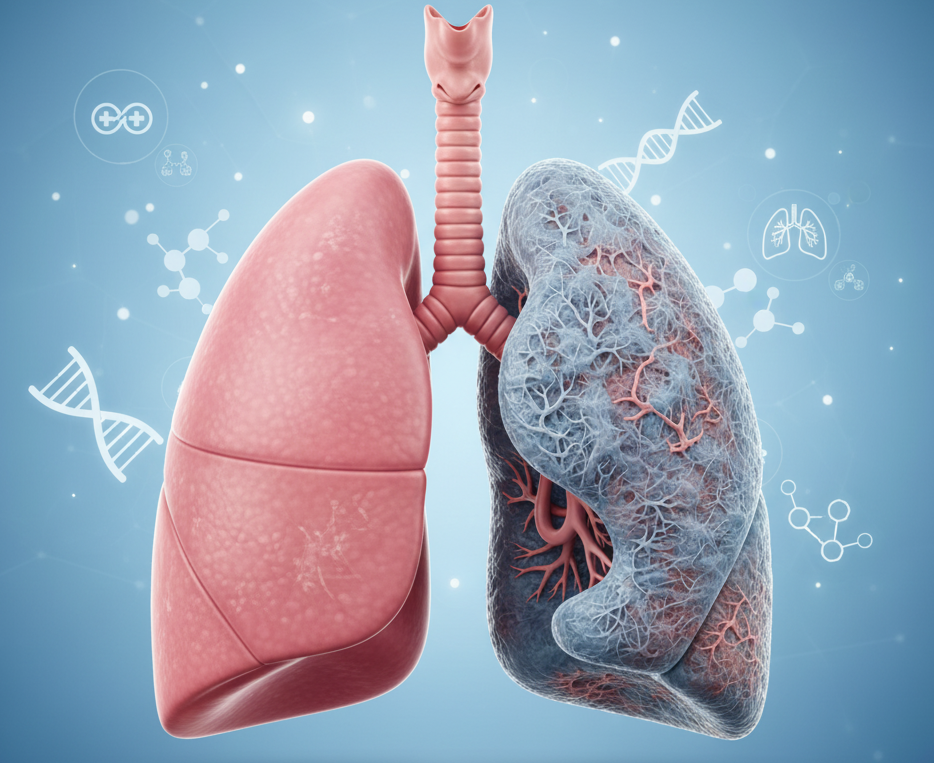
Pulmonary Fibrosis: Causes, Symptoms, and Prospects
Pulmonary Fibrosis is a chronic lung disease that leads to scarring of the lung tissue, eventually making the lungs unable to work properly. It covers causes, early signs, and difficulties of living with the disease, as well as treatment options, lifestyle management, and research into new therapies and potential cures, which are updated as new medical breakthroughs emerge that will help shape the future of Pulmonary Fibrosis.
Table of Contents
- Introduction
- Understanding the Lungs: How They Work
- Causes of Pulmonary Fibrosis
- Common Symptoms and Early Warning Signs
- Diagnosis and Testing
- Treatment Options and Management
- Current Research and Medical Advances
- Conclusion
1. Introduction
Pulmonary fibrosis (PF) is a progressive lung disease characterized by scarring (fibrosis) of lung tissue that occurs over time, which can lead to a gradual reduction in the ability to breathe. The term pulmonary indicates the lungs, and fibrosis indicates scarring, so PF is a disease where scarring occurs in the lungs, stiffening them and preventing them from inflating or deflating normally, causing difficulty breathing, fatigue, and a chronic dry cough.
Tens of thousands of people suffer from pulmonary fibrosis, which can be idiopathic (without known cause), or it can develop due to environmental exposure, autoimmune diseases, or certain medications. Currently, there is no cure for the disease, but new research and medical advances are offering some hope.
2. Understanding the Lungs: How They Work
It is important to understand for the lungs function normally. When you breathe in, air enter the trachea and into the branches of airway called bronchi and bronchioles, when it reaches the alveoli, which are surrounded by a network of capillaries that transport oxygen into the blood and carbon dioxide, a waste gas, out of the body during exhalation.
The alveoli in healthy lungs are elastic and expand with every breath; however, in pulmonary fibrosis, the alveoli are damaged and replaced with scar tissue that is thickened and rigid, which restricts the flow of oxygen and reduces the lung capacity. As a result, the organs and tissues of the body receive less oxygen, and the symptoms of shortness of breath and fatigue occur.
3. Causes of Pulmonary Fibrosis
The cause of the pulmonary fibrosis is unknown in many cases, but this is the risk factors and triggers that are known to increase the likelihood of developing the condition.
3.1 Idiopathic Pulmonary Fibrosis (IPF)
The most common type of pulmonary fibrosis is idiopathic pulmonary fibrosis (IPF). It is usually seen in adults between the ages of 50 and 70 years, although the exact cause is unknown. Researchers believe that genetic, environmental, and lifestyle factors contribute to IPF.
3.2 Environmental and Occupational Exposure
Exposure to airborne irritants, such as silica dust (mining and construction), asbestos fibers, metal dust, or grain or animal dust that can lead to fibrosis due to inflammation of the lung caused by the repeated inhalation of these particles.
3.3 Autoimmune Diseases
Lung fibrosis can also be caused by autoimmune or connective tissue diseases, including:
- Rheumatoid arthritis
- Scleroderma
- Systemic lupus erythematosus
- Sjögren’s syndrome
These cause chronic inflammation, which can develop into scar tissue.
3.4. Medications and Radiation Therapy
Certain drugs and treatments can cause lung damage, including:
- Chemotherapy drugs (such as bleomycin or methotrexate)
- Heart medications (such as amiodarone or propranolol)
- Antibiotics (such as nitrofurantoin)
Radiation therapy to the chestLong-term use or higher doses increase the risk.
4. Common Symptoms and Early Warning Signs
Pulmonary fibrosis progresses slowly, and early on, symptoms may be mild or easily attributed to other conditions. However, identifying the warning signs early can make a tremendous impact on how well the disease is managed.
- Shortness of breath: Shortness of breath may only happen with exertion at first, but as the disease progresses, it can occur at rest.
- Chronic dry cough: A persistent, dry cough that does not respond to medication is a common symptom.Fatigue and weakness: With less oxygen, everyday tasks can become exhausting and draining.
- Unexplained weight loss: Weight loss can occur in PF as appetite is reduced and energy levels are low.
- Chest discomfort or pain: Some people experience a sensation of tightness or dull pain in the chest, which can be a result of the effort needed to breathe.
- Clubbing of fingers and toes: This is a physical alteration in which fingertips become more rounded, and nails curve downward with a low oxygen sign.
- Shallow Breaths and Rapid Breathing: It becomes the less efficient at oxygenating the blood as the lungs stiffen.
5. Diagnosis and Testing
The symptoms of pulmonary fibrosis that can mimic many other lung conditions, like chronic obstructive pulmonary disease and asthma. It is essential to conduct a comprehensive evaluation to make an accurate diagnosis.
5.1 Medical History and Physical Exam
A medical history and physical exam are usually the first things doctors do, and in a physical exam, a doctor may hear crackling sounds in the lungs with a stethoscope.
5.2 Imaging Tests
- High-resolution CT (HRCT) scan: The primary imaging tool is a high-resolution CT scan, which gives detailed images of lung scarring or honeycomb patterns.
- Chest x-ray: This test gives a general overview but is less specific than CT scans.
5.3 Pulmonary Function Tests (PFTs)
This tests measure lung capacity and efficiency of transferring oxygen into the body.
5.4 Blood Tests
Blood tests can show if an autoimmune marker is present or rule out other possible causes of the symptoms.
5.5 Oxygen Level Assessment
This movement through the body is accomplished using pulse oximetry or arterial blood gas tests.
6. Treatment Options and Management
Pirfenidone that can reduce the fibrotic activity and inflammation, and nintedanib (Ofev) are both FDA-approved drugs that have been shown to prolong life and preserve lung function.
- Pulmonary rehabilitation: A program of exercise and instruction to improve strength, endurance, and breathing efficiency. In more severe cases, lung transplantation may be considered. It can vast to improve quality of life and survival.
- Management of Comorbidities: Treatment of comorbidities is important, including treating conditions such as pulmonary hypertension and coronary heart disease.
7. Current Research and Medical Advances
This is new hope for pulmonary fibrosis for science to continue and researchers are exploring various ways to slow or even reverse lung scarring.
- Genetic Research: Genes that make some people more susceptible to fibrosis are being identified through studies that could pave the way for more targeted therapies.
- Anti-Fibrotic and Regenerative Therapies: New drugs are being developed that can either block the progression of fibrosis or regenerate the lung tissue. Stem cell therapy, for instance, is being investigated to repair damaged lungs.
- Biomarker Development: The development of biomarkers to identify PF sooner and track the success of treatment more accurately would help to provide a more precise and timely response to treatment.
8. Conclusion
Pulmonary fibrosis can start with something as seemingly insignificant as shortness of breath, but it becomes a reminder of how fragile and resilient the human body can be. It is important for patients as well as anyone wanting to support awareness and research into this disease to understand its causes, symptoms, and treatments. There is hope for better care and ultimately cures in the future.



Post Comment